
Article Plan: Prayers That Rout Demons ౼ Free Download PDF
This comprehensive guide explores powerful prayers for spiritual liberation, offering resources like Fr. Amorth’s recommendations and Pope Leo XIII’s prayer.
It details Catholic perspectives on exorcism, including minor rites (300A & 300B) and downloadable PDFs for personal and house deliverance.
Discover links to Catholic Centurion and Internet Archive materials, alongside crucial safety and ethical considerations for utilizing these potent spiritual tools.
In a world often shadowed by unseen spiritual battles, the need for effective prayer against demonic influence is paramount. This article serves as a practical guide, offering a curated collection of prayers specifically designed for deliverance and protection. We delve into the realm of spiritual warfare, providing accessible resources rooted in Catholic tradition and practice.
The increasing interest in exorcism and spiritual liberation has led to a demand for reliable information and readily available prayers. This resource aims to fulfill that need, offering both historical context and contemporary applications. We will explore prayers suitable for personal use, those intended for priests performing exorcisms, and those focused on safeguarding homes and individuals.
Central to this compilation are the insights of esteemed exorcists like Fr. Gabriele Amorth, whose recommended prayers offer a powerful starting point. Furthermore, we will examine the significance of the Prayer Against Satan, originally published by Pope Leo XIII, and explore resources from websites like Catholic Centurion and the Internet Archive. This is not merely a collection of words, but a pathway to strengthening faith and persevering in prayer against the forces of evil. Downloadable PDF resources will be highlighted for convenient access.

Understanding Spiritual Warfare
Spiritual warfare, a concept deeply rooted in Christian theology, recognizes a constant battle between the forces of good and evil. This isn’t a physical conflict, but a struggle for the soul, influencing thoughts, emotions, and actions. Understanding this dynamic is crucial before engaging in prayers for deliverance.
Demonic influence doesn’t always manifest as dramatic possession; it often operates subtly, through temptation, oppression, and discouragement. Recognizing these tactics is the first step in defending against them. Prayers, therefore, aren’t simply magical formulas, but expressions of faith and reliance on God’s power.
The Catholic Church acknowledges the reality of demonic activity, offering specific rites and prayers to combat it. These aren’t intended to be used lightly, but with reverence and discernment. The minor exorcism rites (300A & 300B), used within the Scrutiny, represent a simplified form of spiritual cleansing, focusing on turning towards the light of Christ. Effective spiritual warfare requires a holistic approach, combining prayer with sacraments, repentance, and a commitment to living a virtuous life. Resources like downloadable PDFs can aid in this ongoing battle.
The Nature of Demonic Influence

Demonic influence isn’t monolithic; it manifests in diverse ways, ranging from subtle temptations to oppressive feelings and, in rare cases, full possession. Understanding this spectrum is vital when considering prayers for deliverance and utilizing resources like downloadable PDFs.
Often, demonic activity targets vulnerabilities – past traumas, unresolved sin, or weaknesses in faith. It can manifest as negative thought patterns, unexplained anxieties, destructive habits, or a sense of spiritual emptiness. These aren’t necessarily signs of demonic attack, but warrant discernment and prayerful consideration.

The goal of demonic influence isn’t simply to harm, but to separate individuals from God, hindering their spiritual growth and leading them away from truth. Fr. Gabriele Amorth’s work highlights the cunning nature of evil, its ability to disguise itself, and its preference for exploiting human weaknesses. Prayers, particularly those recommended by experienced exorcists, aim to break these bonds and restore individuals to God’s grace. Recognizing the subtle forms of influence is key to effective spiritual defense, aided by resources available online and in downloadable formats.
Historical Context of Exorcism
Exorcism isn’t a modern phenomenon; its roots are deeply embedded in religious history, predating Christianity. Ancient cultures practiced rituals to cast out perceived evil spirits, believing in a spiritual realm influencing the physical world. Within the Judeo-Christian tradition, examples of exorcism appear in the Old Testament and are prominently featured in the ministry of Jesus Christ, demonstrating authority over demonic forces;
The early Church continued this practice, with accounts of exorcisms performed by apostles and subsequent Church leaders. Over time, formalized rites developed, becoming integrated into liturgical practices. The Catholic Church, while cautious and discerning, has maintained a tradition of exorcism, recognizing the reality of demonic influence.
The 17th century saw a surge in documented cases, leading to increased scrutiny and the development of standardized procedures. Modern exorcism, as practiced within the Catholic Church, is a serious undertaking, requiring authorization from a bishop and involving specific prayers and rituals. Resources like downloadable PDFs often contain historical prayers, offering insight into the evolution of these practices and the enduring belief in spiritual warfare.
Catholic Church’s View on Exorcism
The Catholic Church approaches exorcism with profound seriousness and discernment, acknowledging the possibility of demonic influence but emphasizing rigorous investigation before proceeding. It distinguishes between genuine possession and psychological distress, requiring medical and psychiatric evaluations to rule out natural causes. Official Church teaching affirms the reality of Satan and his angels, recognizing their opposition to God and humanity.
Exorcism is not a sacrament, but a liturgical rite performed only by a priest specifically authorized by the local bishop. The Rituale Romanum provides the official guidelines for conducting exorcisms, outlining specific prayers and procedures. Minor exorcisms, like those found in simplified Scrutiny forms (300A & 300B), are used more broadly, particularly during the Rite of Christian Initiation of Adults (RCIA).
The Church stresses the importance of faith, prayer, and the sacraments – particularly Penance and the Eucharist – in combating evil. Resources offering prayers for deliverance, including downloadable PDFs, are viewed as aids to personal faith, but are not substitutes for the formal rite of exorcism performed by a qualified priest.
Minor Exorcism Rites (300A & 300B)
Minor exorcism rites 300A and 300B, found within the Rituale Romanum, represent a simplified form of spiritual liberation, distinct from the full exorcism reserved for confirmed cases of possession. These rites are primarily utilized within the RCIA process, specifically during the Scrutiny celebrations for catechumens – those preparing to receive baptism.
Both 300A and 300B employ the imagery of light and darkness, inviting candidates to turn away from evil and embrace the illuminating grace of Christ. While differing in their specific wording, both aim to free candidates from any undue influence that might hinder their spiritual journey. They are not intended to address full-blown demonic possession, but rather to offer protection and purification.
These rites are often accompanied by prayers of intercession and supplication, seeking God’s protection and strength. Downloadable resources containing these prayers are available for personal devotional use, though their administration within the Church remains the purview of ordained ministers. They represent a preventative measure, fostering spiritual readiness for the sacraments.
The Role of Priests in Exorcism
Within the Catholic Church, the authority to perform formal exorcisms rests solely with ordained priests, specifically those appointed by the local bishop. This is not a power to be undertaken lightly, requiring extensive theological training, spiritual discernment, and a deep understanding of the rites outlined in the Rituale Romanum. The priest acts as an instrument of God’s grace, not wielding power independently, but invoking divine intervention.
The priest’s role extends beyond simply reciting prayers; it involves careful investigation to determine if genuine demonic influence is present, differentiating it from psychological or medical conditions. They must also provide pastoral care to the afflicted individual and their family, offering support and guidance throughout the process. Prayers like those compiled by Fr. Gabriele Amorth are utilized, alongside specific exorcism formulas.
It’s crucial to remember that even the most powerful prayers are ineffective without the priest’s proper authorization and adherence to Church protocol. Self-proclaimed exorcists or lay individuals attempting to perform exorcisms are acting outside of Church authority and potentially causing harm. The priest’s role is to safeguard both the afflicted and the integrity of the sacrament.
Prayers for Personal Deliverance
While formal exorcism is reserved for priests, individuals can utilize specific prayers for personal spiritual cleansing and protection. These aren’t substitutes for sacramental intervention when needed, but powerful tools for strengthening one’s faith and resisting negative influences. Resources like those found on the Catholic Centurion website offer a compilation of devotional prayers suitable for personal use.
Prayers to the Holy Spirit, seeking guidance and strength, are particularly effective. The Rosary, with its focus on Mary’s intercession, is a potent weapon against evil. Utilizing prayers recommended by experienced exorcists, such as Fr. Gabriele Amorth’s selections, can provide targeted spiritual support. These often include invocations of saints known for combating evil, like St. Michael the Archangel.
Consistent, fervent prayer, coupled with a commitment to a sacramental life – frequent Confession and Holy Communion – builds a strong spiritual defense. Remember that deliverance is a process, requiring perseverance and trust in God’s grace. Downloadable PDFs containing these prayers offer convenient access for daily spiritual warfare.

Five Prayers Recommended by Fr. Gabriele Amorth
Fr. Gabriele Amorth, a renowned Catholic exorcist, consistently emphasized the power of specific prayers in combating demonic influence. His recommendations, often compiled and available as a downloadable PDF, focus on invoking divine protection and authority. These aren’t complex rituals, but heartfelt appeals to God, Mary, and the saints.
A cornerstone is the Prayer to St. Michael the Archangel, requesting his intercession in defeating Satan. The Memorare to Mary, a plea for her maternal protection, is also frequently cited. Amorth advocated for the Chaplet of St. Michael, a powerful devotion specifically designed for spiritual warfare. The traditional “Act of Contrition” is vital, acknowledging personal sin and seeking God’s forgiveness.
Finally, a simple prayer invoking the Holy Spirit, asking for guidance and strength, completes the core set. These prayers, readily accessible online and in PDF format, are intended for regular, personal recitation. Amorth stressed the importance of praying with faith and perseverance, believing that consistent prayer weakens demonic strongholds.
The Prayer Against Satan (Pope Leo XIII)
Pope Leo XIII composed this powerful prayer against Satan and his rebellious angels in 1884, recognizing a growing spiritual darkness. It’s a formal, solemn invocation of God’s power to rebuke the evil one, and remains a central prayer in Catholic exorcism and deliverance ministries. Often available as a printable PDF, it’s considered a potent weapon against demonic influence.
The prayer directly addresses God the Father, acknowledging His supreme authority and requesting His divine intervention. It calls upon St. Michael the Archangel to cast Satan into hell, binding him and preventing him from harming humanity. The prayer emphasizes the Church’s authority, bestowed by Christ, to command evil spirits.
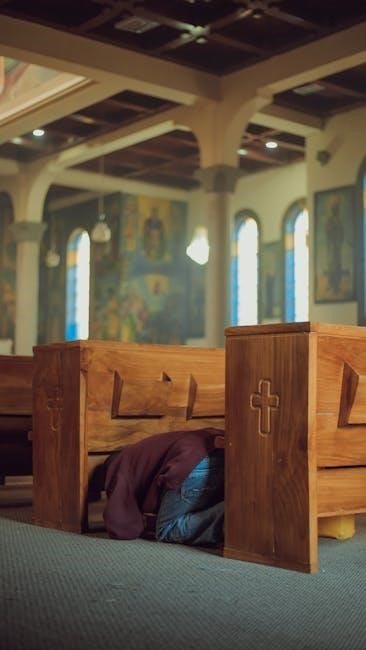
Crucially, this prayer is traditionally intended for recitation by a priest, due to its formal nature and the authority it invokes. However, many lay Catholics utilize it for personal prayer and protection, believing in its spiritual efficacy. Numerous online resources offer the text in various formats, including easily downloadable PDFs, facilitating its widespread use in spiritual warfare.
Ritual House Exorcism Prayers
Ritual House Exorcism prayers represent a more extensive form of spiritual cleansing, extending beyond personal deliverance to encompass a dwelling. These prayers, often compiled by individuals or ministries like The Catholic Centurion website, aim to remove negative energies and demonic attachments from a home. While not official liturgical rites, they draw heavily on approved Catholic prayers and scripture.
Typically, a Ritual House Exorcism involves a systematic progression of prayers, including invocations of God’s protection, readings from scripture, and specific prayers for cleansing and liberation. These prayers often address generational curses, negative influences, and any spiritual oppression affecting the inhabitants. The process frequently incorporates the use of blessed objects, such as holy water and crucifixes.
Resources offering these prayers are often available as downloadable PDFs, though it’s vital to discern their origin and ensure alignment with Catholic teachings. The Catholic Centurion provides a compiled version, noting it as a private devotional containing official Church prayers. It’s crucial to approach these rituals with reverence, faith, and a clear understanding of their purpose – restoring a home to a place of peace and holiness.
Prayers for Protection
Prayers for protection form a cornerstone of spiritual defense, acting as a proactive shield against demonic influence. These aren’t merely reactive exorcisms, but preventative measures to fortify oneself and one’s surroundings. Central to this practice are invocations of divine assistance, seeking the intercession of God, Jesus Christ, and the Holy Spirit.
Numerous traditional Catholic prayers serve this purpose, including the St. Michael Prayer – a powerful plea for angelic protection against the forces of evil. The Rosary, with its meditative focus on Mary, is also considered a potent safeguard. Furthermore, the Prayer Against Satan, published by Pope Leo XIII, offers direct supplication for deliverance from the devil’s power.
Many downloadable PDF resources compile these protective prayers, offering convenient access for daily recitation. These collections often include scriptural verses emphasizing God’s unwavering protection, such as Psalm 91. Consistent prayer, coupled with a life of virtue and sacramental grace, creates a formidable barrier against demonic attacks, fostering a sanctuary of faith and peace.
Specific Prayers for Different Demonic Attacks
Recognizing that demonic attacks manifest diversely, specific prayers tailored to the nature of the affliction are crucial. These aren’t one-size-fits-all solutions, but targeted spiritual weaponry. For instance, prayers addressing oppression – feelings of heaviness, fear, or despair – differ from those confronting more overt manifestations like torment or obsession.

Resources like those compiled by Fr. Gabriele Amorth, available in PDF format, often categorize prayers based on the type of demonic influence. Prayers invoking the power of the Precious Blood of Christ are frequently employed against attacks targeting purity or causing physical ailments. Supplications to St. Benedict, known for his exorcistic power, are effective against curses and binding spirits.
PDF downloads from sites like Catholic Centurion may offer specific litanies for deliverance from specific demons or negative energies. It’s vital to approach these prayers with discernment, understanding that true authority resides in God and His Church. Combining prayer with sacraments, particularly Confession and Eucharist, amplifies their effectiveness, offering comprehensive spiritual healing.
Prayers to the Virgin Mary for Protection
The Blessed Virgin Mary holds a unique position in the fight against evil, often depicted as crushing the serpent’s head – a symbol of Satan. Her intercession is powerfully sought in prayers for protection against demonic influence, offering a maternal shield against spiritual attacks. Numerous traditional Marian prayers, readily available in downloadable PDF formats, are specifically invoked for deliverance.
The Rosary, a beloved Marian devotion, is considered a potent weapon against evil, with each decade a spiritual battle cry. Prayers like the Memorare and the Hail Holy Queen implore Mary’s intercession, seeking her protection from the snares of the devil. Resources from Catholic websites, including those mentioned, often feature collections of Marian prayers for specific needs.
Many exorcists, like Fr. Gabriele Amorth, emphasize the importance of Marian devotion in spiritual warfare. PDFs containing novenas to Mary, dedicated to seeking her protection, are widely accessible. Her role as the Mother of God grants her unique authority in the heavenly realm, making her a powerful ally in combating demonic forces and securing lasting peace.

Prayers to Saints Known for Combating Evil
Throughout Church history, certain saints have distinguished themselves in their opposition to demonic forces, becoming powerful intercessors for those battling spiritual warfare. Prayers directed to these saints, often compiled in downloadable PDF resources, are believed to offer significant protection and assistance. St. Michael the Archangel, the leader of the heavenly host, is frequently invoked for his strength and authority over evil.
St. George, famed for slaying the dragon, symbolizes victory over the devil and is a patron saint against demonic possession. St. Anthony of Padua, known for his miracles and holiness, is often sought for help in recovering lost items – sometimes believed to be due to demonic interference. St. Benedict, whose medal bears the inscription “Pax Vobiscum” (Peace be with you), offers protection against evil spirits.
Numerous novenas and litanies dedicated to these saints are available online and in PDF format. Websites like Catholic Centurion may offer specific prayers for invoking their intercession. These prayers, combined with faith and the sacraments, are considered valuable tools in the spiritual battle against darkness, offering solace and strength to those in need.
The Importance of Sacraments in Deliverance
While prayers are a vital component of spiritual warfare, the Catholic Church emphasizes that the sacraments are the primary means of grace and deliverance from evil. Frequent reception of the Eucharist, the Body and Blood of Christ, strengthens the soul and provides spiritual nourishment, bolstering defenses against demonic influence. The Sacrament of Reconciliation (Confession) is crucial for removing sin, which can create openings for demonic attacks.
Baptism, the foundational sacrament, cleanses original sin and incorporates one into Christ, offering initial protection. The Sacrament of Confirmation strengthens this grace, equipping believers with the gifts of the Holy Spirit to resist temptation. Anointing of the Sick, while often associated with physical healing, also offers spiritual healing and forgiveness of sins, potentially breaking demonic bonds.
Resources offering prayers for deliverance, often available as free PDF downloads, should always be used in conjunction with a devout sacramental life. These prayers are most effective when rooted in a relationship with Christ and a consistent participation in the Church’s sacramental graces, providing a robust spiritual foundation.
Finding Reliable Prayer Resources
Navigating the online landscape for prayers against demonic influence requires discernment. Numerous websites offer downloadable PDFs, but verifying their authenticity and theological soundness is paramount. The Catholic Centurion website (www.catholiccenturion.com) provides prayers assembled with a Catholic perspective, though some are noted as private devotions alongside official Church prayers.
The Internet Archive hosts digitized texts, including “Prayers to expel the evil spirits,” offering historical context but requiring careful evaluation. Resources attributed to respected exorcists like Fr. Gabriele Amorth are generally reliable, often available in PDF or Word document formats. Catholic Online provides access to prayers, including the powerful prayer against Satan published by Pope Leo XIII, specifically for priestly use.
Always prioritize resources originating from reputable Catholic sources and consult with a priest or spiritual director before incorporating unfamiliar prayers into your devotional life. Beware of sensationalized or unapproved materials, focusing on prayers rooted in Scripture and Church tradition.
Catholic Centurion Website Resources
The Catholic Centurion website (www.catholiccenturion.com) serves as a valuable repository for prayers intended for spiritual warfare and deliverance. It offers a curated collection, acknowledging that some prayers are presented as private devotions, supplementing official Church practices. These resources include prayers for personal deliverance, protection, and even specific rites like a Ritual House Exorcism.
It’s crucial to understand that the Ritual House Exorcism prayer is designated as a private devotional, meaning it contains official prayers of the Church interwoven with additional devotional elements. The site doesn’t present these as officially sanctioned exorcism rites to be performed by laypersons. Instead, it provides tools for personal prayer and spiritual strengthening.

Users can find a variety of prayers categorized for different needs, offering a starting point for deepening one’s prayer life. However, the website emphasizes the importance of discernment and encourages consulting with a priest for guidance and proper understanding of these powerful spiritual tools.

Internet Archive Resources for Prayers
The Internet Archive hosts a digitized collection of historical and religious texts, including resources related to prayers for expelling evil spirits. A notable find is a 29-page document, dated February 25, 2015, dedicated specifically to prayers designed to expel evil spirits. This resource is available for free download, borrowing, and streaming, making it accessible to a wide audience seeking spiritual assistance.
The Internet Archive provides a valuable window into traditional practices and prayers used throughout history. While the availability of these texts is beneficial, it’s essential to approach them with discernment. Users should be aware that the origins and theological soundness of these prayers may vary.
It’s recommended to cross-reference these prayers with established Catholic teachings and consult with a priest before incorporating them into one’s personal devotional life. The Internet Archive serves as a research tool, offering a glimpse into the historical context of prayers used in combating demonic influence, but should not replace guidance from the Church.
PDF Download Considerations & Safety
Downloading PDF resources containing prayers for deliverance requires careful consideration and a focus on safety. The internet hosts a variety of sources, and not all are created equal or theologically sound. Prioritize downloads from reputable Catholic websites like the Catholic Centurion or those directly linked to recognized Church authorities.
Exercise caution with PDFs from unknown or unverified sources, as they may contain inaccurate translations, misleading information, or even harmful spiritual practices. Always scan downloaded files with up-to-date antivirus software to protect your device from potential malware.
Critically evaluate the content of any downloaded prayer material; Ensure it aligns with official Catholic doctrine and doesn’t promote superstitious beliefs or practices. If a prayer feels unsettling or evokes negative emotions, discontinue its use immediately; Remember, true spiritual protection comes from a relationship with God and adherence to Church teachings, not simply from reciting words.
Legal and Ethical Considerations
Utilizing prayers for deliverance, even those freely downloaded, carries significant ethical and potential legal considerations. While personal prayer is a protected right, attempting to perform exorcisms on others without proper authorization from the Catholic Church is strictly prohibited and may have legal ramifications;
Only ordained priests, specifically designated and trained by the local bishop, are authorized to conduct formal exorcism rites. Laypersons should never attempt to replicate these rituals. Offering spiritual guidance or attempting to “deliver” someone without appropriate qualifications can be considered harmful and potentially illegal.
Respect the autonomy and free will of individuals. Never pressure someone into participating in prayers for deliverance against their wishes. Maintain confidentiality and avoid sensationalizing experiences. Sharing personal stories without consent is unethical. Always prioritize seeking professional mental health support alongside spiritual guidance, recognizing that some conditions may have psychological explanations.
This article provides information on prayers and resources related to spiritual deliverance, but it is not a substitute for professional medical or psychological advice. Experiences that may be interpreted as demonic influence can often be linked to underlying mental health conditions.
If you or someone you know is experiencing distressing symptoms such as hallucinations, delusions, severe anxiety, or suicidal thoughts, please seek immediate help from a qualified healthcare professional. A thorough medical and psychological evaluation is crucial to determine the appropriate course of treatment.
Prayers and spiritual practices can be a valuable supplement to professional care, but they should not be used as a replacement for it. It is essential to rule out any medical or psychological causes before attributing symptoms to spiritual factors. Remember, responsible spiritual care involves encouraging individuals to seek all available forms of support, including medical and mental health services.
Do not delay seeking professional help based solely on information found in this article.
Faith and Perseverance in Prayer
Ultimately, the efficacy of prayers for deliverance hinges on a steadfast faith and unwavering perseverance. The resources detailed – from Fr. Amorth’s recommended prayers to the powerful invocation of Pope Leo XIII – are tools, but their potency is unlocked through genuine belief and consistent application.
Spiritual warfare is rarely a single, decisive battle; it’s often a prolonged process requiring diligent prayer, sacramental participation, and a commitment to living a life aligned with God’s will. Don’t be discouraged by initial challenges or perceived lack of immediate results.
Remember the importance of seeking guidance from the Church and qualified spiritual directors. Utilize the provided resources – Catholic Centurion, Internet Archive, and downloadable PDFs – responsibly and with discernment. Embrace the sacraments, particularly Confession and Eucharist, as vital sources of strength and protection.
Continue to pray with faith, and never lose hope in the power of God’s grace.