Auto Mechanic Labor Rate Guide: A Comprehensive Overview (Updated May 4, 2026)
Recent data reveals escalating car ownership costs, with significant increases in 2023 and 2024, impacting American drivers as of 2025 and beyond.
I. Understanding Mechanic Labor Rates
Mechanic labor rates represent the cost charged for a professional’s time and expertise when diagnosing and repairing vehicles. These rates are a crucial component of overall auto repair expenses, often constituting a significant portion of the final bill; Understanding how these rates are determined is essential for vehicle owners seeking transparent and fair pricing.
The increasing cost of car ownership, as highlighted by recent Bureau of Transportation Statistics data, directly impacts labor rates. Factors like inflation, the complexity of modern vehicles, and the need for specialized training all contribute to higher hourly costs. Labor rates aren’t simply a flat fee; they reflect the mechanic’s skill, experience, and the shop’s overhead expenses.
Furthermore, it’s important to differentiate between labor and parts costs. Labor covers the diagnostic work, removal, repair, and reinstallation of components, while parts are the physical components themselves. A clear understanding of both elements is vital when reviewing an auto repair invoice.
II. Factors Influencing Labor Rates
Several key factors significantly influence auto mechanic labor rates. The rising cost of vehicle ownership, as evidenced by recent Bureau of Transportation Statistics reports, plays a substantial role. Inflation directly impacts shop operating costs, including rent, utilities, and tools, which are then passed on to consumers.
Vehicle complexity is another major driver. Modern cars incorporate advanced technology requiring specialized diagnostic equipment and highly trained technicians. The level of expertise demanded justifies higher labor charges. Geographic location also matters; rates vary considerably between regions due to cost of living differences;
Shop overhead, including insurance, certifications (like ASE), and employee benefits, contributes to the final rate. Finally, the type of shop – dealership, independent, or specialty – impacts pricing structures, reflecting differing operational costs and service focuses.
III. National Average Labor Rates (2026)
As of May 4, 2026, the national average mechanic labor rate falls between $100 and $150 per hour; However, this is a broad range, and actual rates fluctuate considerably. Basic services, like oil changes, often have fixed prices, while more complex repairs are billed hourly.
Considering the continued rise in car ownership costs documented by the Bureau of Transportation Statistics, these rates represent a noticeable increase from previous years. Dealerships generally command higher hourly rates, typically ranging from $120 to $180, reflecting their specialized training and genuine parts usage.
Independent repair shops usually offer more competitive rates, averaging $80 to $120 per hour. Specialty shops, focusing on specific systems like transmissions, may fall within or exceed these ranges depending on expertise and demand.
IV. Regional Variations in Labor Costs
Geographic location significantly impacts auto mechanic labor rates across the United States. Areas with a higher cost of living, like the Northeast and West Coast, typically exhibit elevated labor costs compared to the Midwest or Southeast. These variations stem from factors such as rent, utilities, and local wage standards.
The increasing costs of car ownership, as highlighted by recent Bureau of Transportation Statistics data, are amplified by these regional discrepancies. Expect to pay a premium for automotive services in major metropolitan areas. Conversely, rural locations often present more affordable options.
Understanding these regional differences is crucial for budgeting auto repairs. Detailed breakdowns of specific regional rates will follow in subsequent sections, providing a clearer picture of expected expenses.
A. Northeast Labor Rates
The Northeast region consistently demonstrates some of the highest auto mechanic labor rates in the nation, largely due to its elevated cost of living. States like Massachusetts, Connecticut, and New York typically see hourly rates ranging from $150 to $200 or even higher for specialized work.
This premium reflects factors like higher rent for shop spaces, increased insurance costs, and competitive wages for skilled technicians. The recent surge in car ownership expenses, as reported by the Bureau of Transportation Statistics, is particularly pronounced in this region.
Complex repairs and diagnostics often command the upper end of this range. Consumers should anticipate higher overall repair bills in the Northeast compared to other parts of the country.
B. Southeast Labor Rates
The Southeastern United States generally presents more moderate auto mechanic labor rates compared to the Northeast or West Coast. States like Georgia, North Carolina, and Florida typically exhibit hourly rates between $100 and $150, though this can fluctuate based on location and shop specialization.
While still impacted by the rising cost of car ownership highlighted by the Bureau of Transportation Statistics, the Southeast benefits from a comparatively lower cost of living. This translates to reduced overhead for repair shops and, consequently, more competitive labor pricing.
Larger metropolitan areas within the Southeast, such as Atlanta or Miami, may see rates leaning towards the higher end of this spectrum.
C. Midwest Labor Rates
The Midwest region typically offers some of the most affordable auto mechanic labor rates in the nation. States like Ohio, Indiana, and Missouri generally see hourly rates ranging from $85 to $130. This affordability is largely due to a lower overall cost of living and a competitive market among repair shops.
Despite the broader increases in car ownership expenses documented by the Bureau of Transportation Statistics, the Midwest maintains a relatively stable pricing structure for auto repair services. Rural areas within the Midwest often present even lower rates than those found in larger cities like Chicago or Minneapolis.
However, specialized repairs or dealerships focusing on luxury brands may command higher prices.
D. Southwest Labor Rates
Southwestern states, including Arizona, New Mexico, and parts of Texas, present a moderate range for auto mechanic labor rates. Expect to encounter hourly charges generally between $95 and $145. Larger metropolitan areas like Phoenix and Dallas tend to be on the higher end of this spectrum, reflecting increased operating costs for businesses.
The recent surge in vehicle ownership expenses, as highlighted by the Bureau of Transportation Statistics, is certainly felt in the Southwest, though rates remain somewhat competitive. Demand for skilled mechanics, particularly those proficient in modern vehicle technology, can also influence pricing.
Rural areas may offer slightly lower rates, but accessibility to qualified technicians could be a factor.
E. West Coast Labor Rates
The West Coast – California, Oregon, and Washington – consistently exhibits the highest auto mechanic labor rates in the nation. Hourly charges typically range from a substantial $120 to $180, and can even exceed $200 in major cities like Los Angeles, San Francisco, and Seattle.
This premium pricing reflects the significantly higher cost of living and doing business in these states, alongside strong demand for qualified automotive technicians. The recent increases in car ownership costs, documented by the Bureau of Transportation Statistics, are acutely felt here.
Specialty repairs and dealerships will invariably command the highest rates, while independent shops may offer slightly more competitive pricing.
V. Labor Rate Differences by Shop Type
Significant variations in mechanic labor rates exist depending on the type of repair shop. Dealerships generally charge the highest hourly rates, often exceeding $150, due to overhead costs, specialized training, and the use of Original Equipment Manufacturer (OEM) parts. Independent repair shops typically offer more affordable rates, ranging from $80 to $120 per hour, providing a cost-effective alternative.
Specialty shops, focusing on specific repairs like transmissions or brakes, can fall anywhere within this range, depending on their expertise and location. The rising cost of car ownership, as reported by the Bureau of Transportation Statistics, impacts all shop types, but independent shops often absorb some of the increase to remain competitive.
A. Dealership Labor Rates
Dealership service centers consistently demonstrate the highest labor rates in the automotive repair industry, frequently surpassing $150 per hour, and sometimes reaching $180 or more in metropolitan areas. This premium pricing reflects substantial overhead expenses, including facility maintenance, advanced diagnostic equipment, and ongoing factory-sponsored technician training.
Furthermore, dealerships prioritize the use of genuine Original Equipment Manufacturer (OEM) parts, contributing to higher overall repair costs. While the Bureau of Transportation Statistics highlights rising car ownership expenses, dealerships often justify their rates with a focus on specialized expertise and maintaining vehicle warranties. Consumers should anticipate higher bills, but also potentially greater precision and adherence to manufacturer specifications.
B. Independent Repair Shop Labor Rates
Independent repair shops generally offer more competitive labor rates compared to dealerships, typically ranging from $80 to $120 per hour, depending on location and the shop’s specialization. These shops often have lower overhead costs, allowing them to pass savings onto customers. However, rate variations exist; shops in affluent areas or those specializing in complex repairs may charge higher fees.
While independent mechanics may utilize aftermarket parts, offering cost savings, it’s crucial to inquire about part quality and warranties. Considering the increasing cost of car ownership, as noted by the Bureau of Transportation Statistics, independent shops present a viable option for budget-conscious vehicle owners seeking reliable service without the premium dealership price tag.
C. Specialty Shop Labor Rates (e.g., Transmission, Brakes)
Specialty auto shops, focusing on specific systems like transmissions or brakes, often command labor rates between $100 and $150 per hour. This reflects the highly specialized skills and advanced diagnostic equipment required for these complex repairs. Expertise in a niche area allows for quicker, more accurate diagnoses, potentially saving customers money in the long run despite the higher hourly rate.
Given the rising costs of vehicle maintenance – as highlighted by recent Bureau of Transportation Statistics data – investing in a qualified specialist can prevent further damage and costly replacements. While seemingly expensive upfront, a precise repair from a specialty shop can prove more economical than repeated attempts by a general mechanic.
VI. Common Labor Rate Billing Methods
Auto repair shops primarily utilize two billing methods: flat rate pricing and hourly rate pricing. Flat rate pricing assigns a predetermined cost to a specific repair, based on the manufacturer’s estimated time, regardless of the actual time spent. This offers price certainty for customers, but can sometimes be higher if the mechanic completes the job quickly.
Conversely, hourly rate pricing bills customers based on the mechanic’s time, typically ranging from $85 to $175+ per hour, depending on location and expertise. With escalating car ownership costs, understanding these methods is crucial. Transparency is key; always request a detailed estimate before authorizing any work, clarifying which billing method applies and what it encompasses.
A. Flat Rate Pricing
Flat rate pricing, a common billing method, establishes a fixed cost for a specific repair, irrespective of the mechanic’s actual time investment. This price is derived from the time a manufacturer estimates for the job, multiplied by the shop’s labor rate. While seemingly straightforward, it benefits shops when repairs take less time than estimated, potentially increasing profit margins.
For customers, flat rate offers price predictability, eliminating surprise charges. However, complex issues or unforeseen complications can sometimes make it less advantageous. It’s vital to request a detailed breakdown of the flat rate estimate, ensuring all parts and labor are clearly itemized. Considering rising car ownership costs, understanding flat rate’s nuances is essential for informed decisions.
B. Hourly Rate Pricing
Hourly rate pricing represents a more traditional approach, where mechanics bill for their time spent diagnosing and repairing a vehicle. This method offers transparency, as customers pay only for the actual work performed. However, the final cost can be unpredictable, especially with complex or poorly defined issues, potentially leading to higher bills than anticipated.
Shops utilizing hourly rates typically track time meticulously, often in increments of tenths of an hour. It’s crucial to request an estimate before work begins, and to regularly check in with the mechanic for updates on time spent. Given the recent surge in car ownership expenses, diligent monitoring of hourly charges is paramount for budget control and avoiding unexpected financial burdens.
VII. Decoding the Mechanic’s Invoice
A mechanic’s invoice can appear complex, but understanding its components is vital for informed financial oversight. Key elements include a detailed list of parts used, their individual costs, and the labor charges associated with each repair. Labor is often broken down by specific tasks, reflecting either flat-rate or hourly billing. Scrutinize descriptions – vague terms like “diagnostic” require clarification.
Look for shop supplies and disposal fees, which can add to the total. Given the rising costs of car ownership, verify that all charges align with the initial estimate and that no unauthorized work was performed. Don’t hesitate to ask for explanations on any unfamiliar items; a reputable mechanic will gladly provide clarity, ensuring transparency and building trust.
VIII. Common Auto Repair Services & Estimated Labor Costs (2026)
Considering the increasing cost of vehicle maintenance, understanding typical labor expenses is crucial. In 2026, a standard oil change generally ranges from $50 to $150 in labor, while brake pad replacements average $150 to $300 per axle. Battery replacements, a simpler task, usually fall between $50 and $100 for labor alone.
Tire rotation and balancing typically cost $30 to $70, and engine diagnostics, requiring specialized tools and expertise, can range from $100 to $400. These are estimates; actual costs vary significantly based on location, vehicle type, and shop rates. Always request a detailed quote before authorizing any repairs, factoring in both parts and labor.
A. Oil Change Labor Costs
Oil change labor costs in 2026 generally represent a relatively small portion of the overall service expense, typically ranging from $30 to $70. This figure accounts for the mechanic’s time to drain the old oil, replace the oil filter, and refill with new oil. However, prices fluctuate based on vehicle type – synthetic oil changes often command higher labor fees due to the more complex process.
Dealerships frequently charge more for labor compared to independent shops, potentially reaching $80-$100. Factors like location and shop overhead also contribute to price variations. It’s wise to compare quotes and inquire about any additional fees before proceeding with the service, ensuring transparency in the final bill.
B. Brake Pad Replacement Labor Costs
Brake pad replacement labor costs in 2026 typically fall between $80 and $150 per axle, though this can vary significantly. This price covers the mechanic’s time to remove the wheels, inspect the rotors, replace the pads, and bleed the brake lines. The complexity increases – and thus the labor cost – if rotors require resurfacing or replacement, adding another $50-$100 per rotor.
Luxury vehicles and those with complex braking systems (like performance brakes) often incur higher labor charges. Dealerships generally charge a premium compared to independent shops. Obtaining multiple quotes is crucial, and clarifying whether the quote includes new hardware (clips, shims) is essential for accurate comparison.
C. Battery Replacement Labor Costs
Battery replacement labor costs in 2026 generally range from $50 to $150, depending on vehicle accessibility and shop rates. While a simple battery swap can be quick, some vehicles require more complex procedures, like memory savers to retain electronic settings. Dealerships often charge higher labor fees than independent repair shops for this service.
Many auto parts stores offer free battery installation with purchase, a significant cost saving. However, professional installation ensures proper connection and disposal of the old battery. Consider potential core charges and warranty implications when comparing options. Always verify if the quote includes terminal cleaning to prevent corrosion and ensure optimal performance.
D. Tire Rotation & Balancing Labor Costs
Tire rotation and balancing typically cost between $30 and $80 in 2026, with balancing usually adding $10-$20 per tire. Regular rotation—every 5,000 to 7,500 miles—promotes even wear, extending tire lifespan and improving handling. Some tire retailers offer free rotation with tire purchases, a valuable benefit to consider.
Balancing corrects weight distribution, preventing vibrations and uneven wear. While DIY rotation is possible, professional balancing requires specialized equipment. Dealerships may charge a premium compared to independent shops or tire centers. Factor in potential costs for valve stem replacement or tire repair if needed during the service. Proper alignment should also be checked concurrently.

E. Engine Diagnostic Labor Costs
Engine diagnostics in 2026 generally range from $100 to $200, though complex issues can significantly increase this cost. This fee covers the mechanic’s time to connect a scan tool, retrieve diagnostic trouble codes (DTCs), and perform initial assessments. Many shops apply this fee towards the total repair cost if work is authorized.
More in-depth diagnostics, involving component testing or smoke tests, may incur additional hourly labor charges, typically between $100 and $150 per hour. Accurate diagnosis is crucial to avoid unnecessary repairs. Always request a detailed explanation of the diagnostic process and a written estimate before authorizing any work. A thorough diagnostic assessment saves money long-term.

IX. How to Negotiate Mechanic Labor Rates
Negotiating mechanic rates requires preparation and a polite approach. Obtain quotes from multiple shops to establish a baseline for comparison. Don’t hesitate to ask for a breakdown of labor and parts costs. Sometimes, shops are willing to match competitor pricing or offer a discount, especially for larger repairs.
Consider offering to pay cash, as some shops provide discounts for this payment method. If you have a longstanding relationship with a mechanic, leverage that for better rates. Be respectful and understanding; mechanics deserve fair compensation. Knowing the fair market value for the service empowers you during negotiation, leading to a mutually agreeable price.
X. The Impact of Certification on Labor Rates (ASE, etc.)
Mechanic certifications, like those from the National Institute for Automotive Service Excellence (ASE), demonstrably influence labor rates. ASE-certified technicians possess validated skills and knowledge, justifying higher hourly charges. Shops employing certified mechanics often command premium pricing due to the assurance of quality and expertise.
While a higher rate is associated with certification, it often translates to more accurate diagnoses and efficient repairs, potentially saving money long-term. Consumers should view ASE certification as an investment in reliable service. Expect to pay a noticeable difference – typically $10-$30 more per hour – for a certified mechanic’s expertise, reflecting their commitment to professional development.
XI. Labor Rates for Specific Vehicle Types
Vehicle type significantly impacts mechanic labor rates. Domestic vehicles, generally, experience lower labor costs due to parts availability and mechanic familiarity. Foreign vehicles, particularly European models, often incur higher rates because of specialized parts and required expertise.
Luxury vehicles – brands like BMW, Mercedes-Benz, and Audi – consistently command the highest labor rates. These vehicles necessitate specialized diagnostic tools, highly trained technicians, and often, Original Equipment Manufacturer (OEM) parts, driving up costs. Complex systems and advanced technology contribute to extended repair times, further increasing labor expenses. Consumers should anticipate premium pricing for servicing luxury automobiles.
A. Domestic Vehicle Labor Rates
Generally, domestic vehicle labor rates remain the most affordable option for vehicle repair. This is largely due to the widespread availability of parts, a larger pool of mechanics familiar with these systems, and simpler overall designs compared to foreign or luxury brands. As of 2026, expect an average hourly rate between $85 and $120, though this varies regionally.
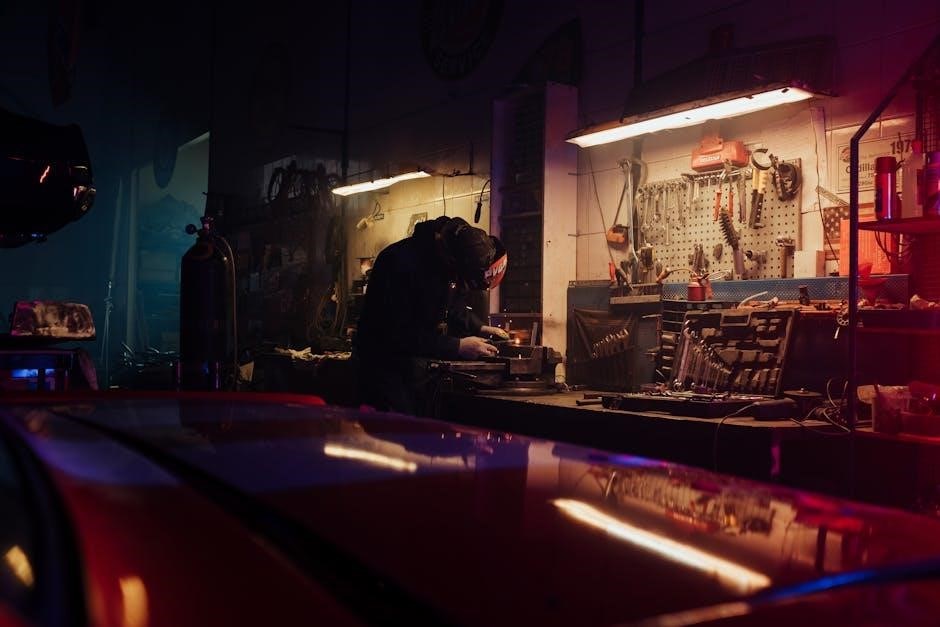
Common repairs, like oil changes and brake pad replacements, tend to be quicker and less expensive on domestic vehicles. However, even with lower rates, complex issues can still accumulate significant labor costs. Routine maintenance is key to preventing costly repairs and maximizing value. Always obtain a detailed estimate before authorizing any work.
B. Foreign Vehicle Labor Rates
Foreign vehicle labor rates, encompassing brands like Toyota, Honda, and Nissan, typically fall in the $100 to $150 per hour range as of 2026. This reflects increased complexity in engineering, specialized diagnostic procedures, and potentially higher parts costs. Mechanics often require specific training to effectively service these vehicles, contributing to the elevated rates.
While generally reliable, foreign vehicles can present unique repair challenges. Access to specialized tools and diagnostic software is often crucial. Preventative maintenance remains vital, but when repairs are needed, budgeting for higher labor costs is prudent. Obtaining multiple quotes and verifying mechanic expertise is highly recommended to ensure fair pricing and quality workmanship;
C. Luxury Vehicle Labor Rates
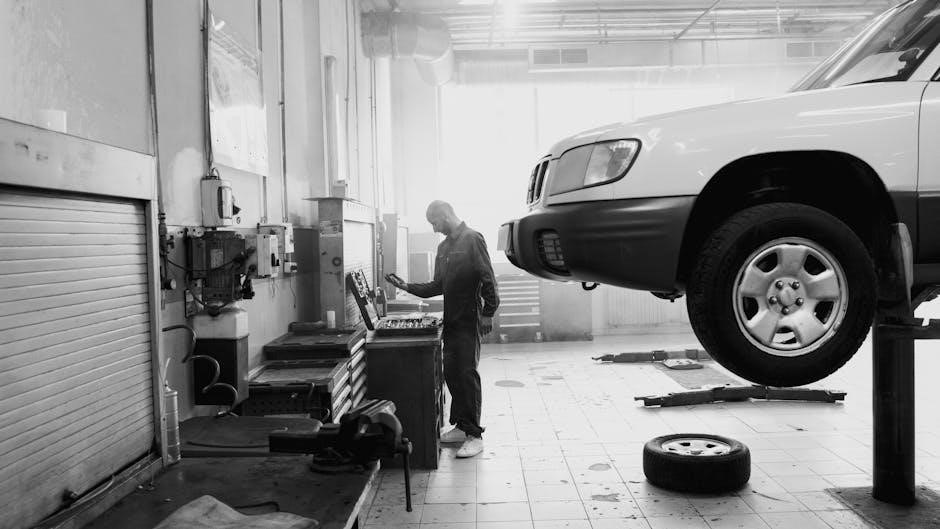
Luxury vehicle labor rates – think BMW, Mercedes-Benz, Audi, and Lexus – command the highest prices, frequently exceeding $180 to $250+ per hour in 2026. These elevated costs stem from intricate engineering, advanced technology, and the necessity for highly specialized diagnostic equipment and technician training. Parts availability can also contribute to increased expenses.
Repairs often necessitate factory-level diagnostic tools and software updates, accessible only to authorized dealerships or shops with substantial investment. While preventative maintenance is crucial, complex systems demand expert attention. Thorough research, verified mechanic credentials, and detailed quotes are essential to navigate these higher labor costs and ensure quality service for your investment.
XII. Extended Warranties & Labor Coverage
Extended warranties significantly impact out-of-pocket repair expenses, particularly concerning labor costs. Most comprehensive plans cover both parts and labor for covered repairs, shielding owners from potentially high hourly rates. However, scrutinize warranty details carefully; some policies have limitations on covered repairs or require pre-authorization.
Pay attention to reimbursement rates for independent repair shops if dealership service isn’t preferred. Understand if the warranty covers diagnostic labor even if the ultimate repair isn’t covered. Knowing the specifics of your warranty’s labor coverage is vital when budgeting for vehicle maintenance and unexpected repairs, offering peace of mind against escalating mechanic bills.
XIII. Finding Affordable Mechanics
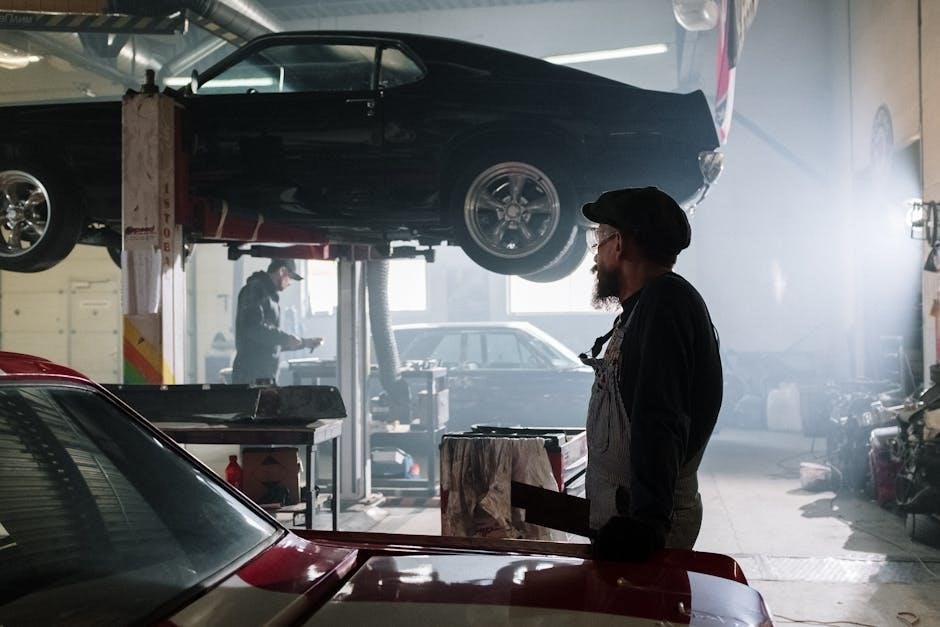
Securing affordable auto repair requires proactive research and comparison shopping. Online review platforms like Yelp and Google Reviews offer valuable insights into shop reputations and pricing. Request quotes from multiple mechanics, detailing the specific service needed, to compare labor rates and estimated parts costs.
Consider independent repair shops over dealerships, as they often have lower overhead and, consequently, more competitive labor rates. Don’t hesitate to ask about discounts or promotions. Local community groups or online forums can provide recommendations for trustworthy and reasonably priced mechanics in your area, helping you navigate the rising costs of vehicle ownership.
XIV. Online Resources for Labor Rate Estimates
Numerous online tools assist in estimating auto repair labor costs. Websites like RepairPal and Kelley Blue Book offer labor rate ranges based on vehicle make, model, and the specific repair needed. These resources provide a baseline for comparison, though actual costs may vary by location and shop.

AutoMD allows users to receive quotes from local mechanics, fostering competition and potentially lower prices. Be mindful that these are estimates; a thorough diagnostic inspection is crucial for an accurate quote. Utilizing these platforms empowers consumers to understand fair market value for auto repairs, especially given the recent increases in car ownership expenses documented by the Bureau of Transportation Statistics.