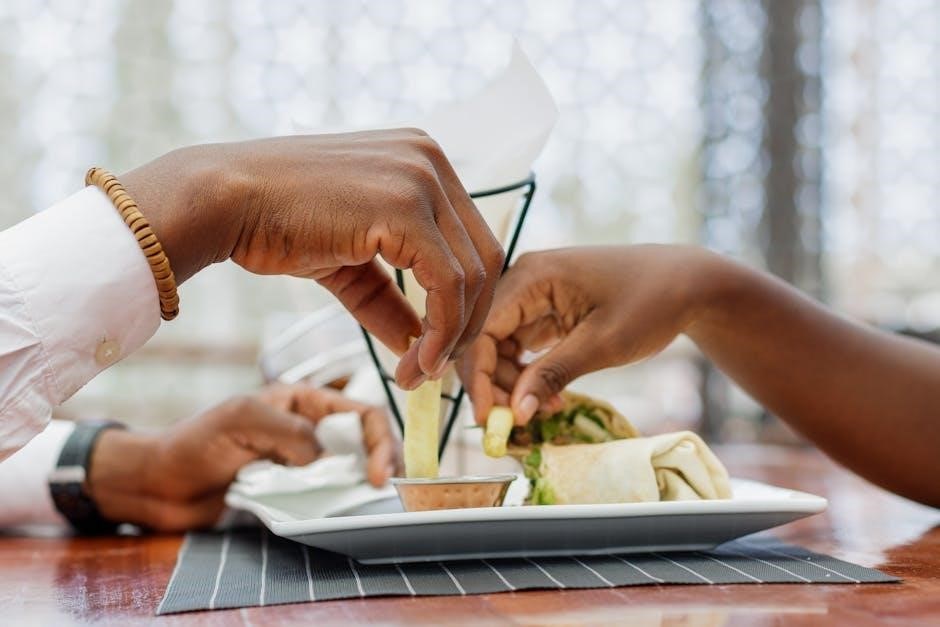
Optavia & Dining Out: A Comprehensive Guide
Today, April 28, 2026, navigating restaurant meals on Optavia requires careful planning and mindful choices, ensuring adherence to the program’s core principles for sustained success.
Understanding Optavia and its Core Principles
Optavia is a weight-management program centered around Fuelings – pre-portioned, nutrient-dense meals designed for simplicity and consistent caloric intake. The program emphasizes a transition towards healthier habits, focusing on minimizing processed foods and maximizing lean protein and non-starchy vegetables. A core principle is the Optimal Weight Release (OWR) plan, which utilizes these Fuelings alongside a single “Lean & Green” meal, comprised of a lean protein source and unlimited non-starchy vegetables.
Success with Optavia hinges on understanding its emphasis on metabolic optimization and reducing reliance on sugar and unhealthy fats. The program isn’t simply about restriction; it’s about retraining your palate and fostering a sustainable lifestyle change. It’s crucial to recognize that dining out presents a unique challenge, as restaurant meals often deviate significantly from the controlled environment of the OWR plan. Therefore, proactive strategies are essential to maintain progress while enjoying social dining experiences. The program’s foundation lies in consistent, controlled intake, making mindful choices paramount.
The Challenges of Dining Out on Optavia
Dining out while following the Optavia program presents several hurdles. Restaurants typically prioritize flavor and presentation, often resulting in meals high in hidden sugars, unhealthy fats, and excessive portion sizes – all counterproductive to the program’s goals. Accurately assessing ingredient lists and preparation methods can be difficult, as detailed nutritional information is rarely readily available.
The social aspect of dining can also pose a challenge. Pressure to indulge in appetizers, desserts, or larger portions can derail even the most determined Optavia follower. Furthermore, the temptation to deviate from the Lean & Green meal structure is significant when faced with enticing menu options. Maintaining portion control becomes considerably harder outside of a controlled home environment. Successfully navigating these challenges requires diligent planning, assertive communication with restaurant staff, and a firm commitment to prioritizing program adherence over immediate gratification.
Pre-Dining Strategies for Success

Proactive preparation is key to successfully dining out on Optavia. Planning your meals in advance involves deciding what you’ll order before arriving at the restaurant, minimizing impulsive choices. Reviewing restaurant menus online allows you to identify Optavia-friendly options and formulate a plan. Look for lean protein sources and non-starchy vegetables, and consider how you can modify dishes to fit your program.
Crucially, communicating your dietary needs to your server is essential. Don’t hesitate to ask for modifications, such as sauces on the side, steamed vegetables instead of fried, or a smaller portion size. Be polite but firm in your requests. Consider calling the restaurant ahead of time to discuss options if you have concerns. Bringing an Optavia-approved snack can also prevent hunger-driven deviations. Remember, preparation empowers you to stay on track and enjoy a social dining experience without compromising your goals.
Planning Your Meals in Advance
Before stepping foot into a restaurant, dedicate time to meticulously plan your meal. This isn’t about restricting enjoyment; it’s about empowering yourself with informed choices. Begin by visualizing your ideal Optavia-aligned plate – lean protein as the star, surrounded by generous portions of non-starchy vegetables. Consider potential menu items and how they can be adapted to fit your Fueling and Transition phases.
Think about potential pitfalls. Will you need to request substitutions? Can you easily remove calorie-dense components? Having a mental script prepared will make ordering smoother and reduce temptation. Don’t be afraid to have a “backup” option in mind, in case your first choice isn’t available. Pre-planning minimizes impulsive decisions driven by hunger or social pressure, ensuring you remain committed to your health journey while still enjoying a social dining experience.
Reviewing Restaurant Menus Online
A crucial step in successful Optavia dining is thoroughly examining restaurant menus online before you arrive. This allows for a relaxed and objective assessment, free from the pressure of a busy dining room. Identify dishes featuring lean proteins like grilled fish, chicken breast, or turkey. Look for opportunities to build a meal around these core components, supplemented with ample non-starchy vegetables – steamed broccoli, spinach, or a side salad (dressing on the side!).
Pay close attention to preparation methods. Grilled, baked, or steamed options are preferable to fried or heavily sauced dishes. Note any potential hidden calorie sources, like creamy sauces or excessive oil. Many restaurants now provide nutritional information online; utilize this resource to make informed decisions. Pre-selecting a few viable options will streamline the ordering process and boost your confidence, ensuring a satisfying and Optavia-friendly meal.
Communicating Your Dietary Needs
Don’t hesitate to clearly and confidently communicate your dietary requirements to your server. Explain you are following a program focused on lean protein and non-starchy vegetables. Politely request modifications to menu items to align with your Optavia plan. For example, ask for protein to be grilled instead of fried, or for sauces and dressings to be served on the side.
Be specific about your needs. Requesting “no sugar added” or “light oil” can make a significant difference. Don’t feel embarrassed to ask questions about ingredients or preparation methods. A good server will be happy to assist you in making informed choices. Remember, you are advocating for your health and success on the Optavia program. A proactive approach to communication empowers you to enjoy dining out while staying on track with your goals, ensuring a positive and stress-free experience.
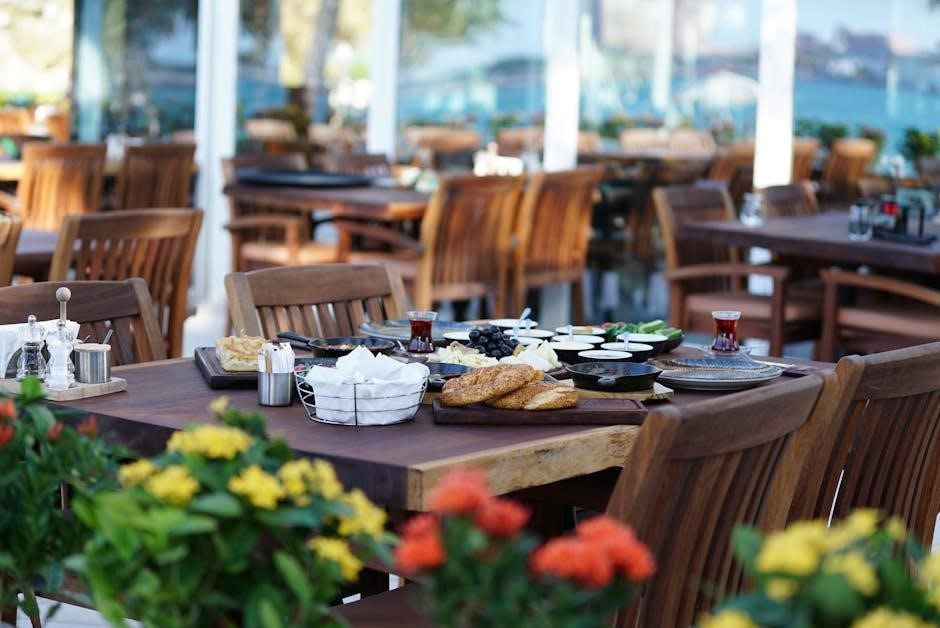
Navigating Common Restaurant Cuisine Types
Successfully dining out on Optavia demands understanding how to adapt to diverse menus, prioritizing lean proteins and vegetables across various culinary styles for optimal results.
Italian Restaurants: Optavia-Friendly Choices
Italian cuisine, while often rich, offers surprisingly adaptable options for those following the Optavia program. Focus on dishes featuring grilled or baked fish, such as seabass or cod, prepared simply with lemon and herbs. Lean chicken breast, similarly prepared, is another excellent choice. Request that sauces be served on the side, allowing for precise portion control and minimizing hidden calories from oil and cream.
Salads are your friend, but be mindful of dressings; opt for olive oil and vinegar, used sparingly. Avoid creamy sauces like Alfredo or carbonara. Pasta dishes can be modified by requesting a smaller portion size and substituting vegetables for a portion of the noodles. Consider a side of steamed spinach or broccoli to increase your vegetable intake. Pizza is best avoided, but if you indulge, choose a thin-crust option with minimal cheese and plenty of vegetable toppings. Remember, mindful choices and portion awareness are key to enjoying Italian flavors while staying on track with Optavia.
Mexican Restaurants: Making Smart Selections
Mexican restaurants present unique challenges, but strategic choices can align with Optavia’s principles. Prioritize lean protein sources like grilled fish, shrimp, or chicken fajitas – request them without the oil and seasoned simply. Ask for extra lettuce wraps instead of tortillas to create a low-carb alternative. Be cautious of rice and beans, as portion sizes are often generous; consider asking for a very small side or omitting them altogether.
Salsa is generally a safe option, but be mindful of added sugars in sweeter varieties. Guacamole, while containing healthy fats, should be consumed in moderation due to its calorie density. Avoid creamy sauces, cheese-laden dishes, and fried items like chimichangas or taquitos. A simple grilled chicken salad with plenty of lettuce, tomato, and onion, dressed with a squeeze of lime juice, is an excellent choice. Remember to communicate your dietary needs clearly to your server and focus on fresh, lean options to enjoy a satisfying meal while staying on track.

Asian Restaurants: Focusing on Lean Proteins & Vegetables
Asian cuisine offers numerous Optavia-friendly possibilities, but vigilance is key. Steamed or grilled lean proteins – chicken, shrimp, or fish – form the foundation of a successful meal. Request these seasoned with minimal oil and sodium. Load up on non-starchy vegetables like broccoli, spinach, bok choy, and mushrooms; stir-fries are excellent choices when prepared simply. Be wary of hidden sugars and sauces, as many contain significant amounts of both.
Soy sauce, teriyaki sauce, and hoisin sauce should be used sparingly or avoided entirely. Ask for sauces on the side to control portion sizes. Rice, even brown rice, should be limited; consider substituting with extra vegetables. Soups can be a good option, but avoid those thickened with cornstarch or containing noodles; Spring rolls and egg rolls are typically fried and high in calories, so steer clear. Prioritizing fresh ingredients and mindful portion control will help you navigate Asian restaurants successfully on Optavia.
Avoiding Hidden Sugars and Sauces
Many restaurant sauces and dressings are surprisingly high in added sugars and unhealthy fats, posing a significant challenge on the Optavia program. Sweet chili sauce, barbecue sauce, honey garlic glaze, and even seemingly savory sauces often contain substantial amounts of sugar. Similarly, creamy dressings like ranch or blue cheese are calorie-dense and lack nutritional value. Always inquire about the ingredients or ask for sauces and dressings on the side.
This allows you to control the portion size and minimize your intake. Opt for simple alternatives like vinegar-based dressings, lemon juice, or a small amount of soy sauce (used sparingly due to sodium content). Be mindful of marinades as well; they frequently contain hidden sugars. When in doubt, choose grilled or steamed options without sauce, and season your food with herbs and spices instead. Proactive questioning and mindful choices are crucial for staying on track.

American Restaurants: Decoding the Menu
American restaurant menus often present the most significant challenges for Optavia followers due to portion sizes and hidden ingredients. Focus on grilled or baked protein sources like chicken breast, fish, or lean beef, requesting preparation without added butter or oil. Salads can be a good option, but be cautious of creamy dressings, croutons, and cheese – ask for dressing on the side and limit toppings.
Burgers and sandwiches are generally best avoided, or if chosen, consume only the protein portion, discarding the bun and high-calorie condiments. Side dishes are critical; swap fries or mashed potatoes for a side salad or steamed vegetables. Be wary of seemingly healthy options like soups, which can be loaded with cream or sodium. Prioritize simple, unprocessed foods and don’t hesitate to customize your order to align with your Optavia plan. Careful menu decoding is essential for success.

Specific Food Choices to Prioritize
Lean proteins and non-starchy vegetables form the Optavia foundation, while healthy fats, consumed in moderation, support satiety and overall well-being during dining experiences.
Lean Protein Sources: Your Optavia Foundation
Prioritizing lean protein is paramount when dining out on Optavia, as it supports muscle mass and promotes fullness, crucial for staying on track with your weight loss goals. When reviewing restaurant menus, actively seek options featuring grilled or baked fish – salmon, cod, or tilapia are excellent choices.
Chicken breast, prepared without skin and avoiding breading or creamy sauces, is another reliable source. Lean cuts of beef, such as sirloin or tenderloin, can also be incorporated, but portion control is essential. Consider requesting your protein grilled or broiled instead of fried.
Don’t hesitate to ask your server about preparation methods and ingredient lists. Optavia emphasizes a high-protein intake, so ensuring your meal aligns with this principle is vital. Remember, protein helps stabilize blood sugar levels and reduces cravings, making it easier to resist tempting, off-plan options. Building your meal around a substantial portion of lean protein will set you up for success.
Non-Starchy Vegetables: Filling and Nutritious
Maximizing your intake of non-starchy vegetables while dining out is a cornerstone of the Optavia program. These vibrant foods provide essential nutrients, fiber, and volume without significantly impacting your daily calorie or carbohydrate allowance. Look for menu items that prominently feature vegetables as a side dish or as part of the main course.
Excellent choices include spinach, broccoli, asparagus, bell peppers, and salad greens. Request that vegetables be steamed, grilled, or roasted without added butter, oil, or creamy sauces. Be mindful of hidden carbohydrates in dressings; opt for vinaigrette-based options or ask for dressing on the side to control the amount used.
Loading up on non-starchy vegetables will help you feel full and satisfied, reducing the temptation to overeat. They also contribute to overall health and well-being. Don’t be afraid to ask for extra vegetables in place of higher-carb sides like potatoes or rice – most restaurants are happy to accommodate reasonable requests.
Healthy Fats: Incorporating in Moderation

While Optavia emphasizes lean protein and non-starchy vegetables, healthy fats play a crucial role in satiety and overall health. When dining out, incorporating these fats requires mindful moderation to stay within program guidelines. Focus on sources like avocado, nuts, and olive oil, but be aware of portion sizes.
Request salads with a small amount of avocado or a vinaigrette dressing made with olive oil. If ordering fish, grilled or baked preparations are preferable to fried, as they minimize added fats. Be cautious of creamy sauces and dressings, which often contain hidden fats and calories.
A small handful of nuts can be a satisfying addition to a meal, but remember to account for their caloric density. Prioritize lean protein and vegetables, using healthy fats as a complement rather than a central component. Careful selection and portion control are key to enjoying healthy fats while adhering to your Optavia plan.

Dining Out Pitfalls to Avoid
Beware of hidden calories in sauces, dressings, and appetizers; practice strict portion control, and resist tempting desserts to maintain Optavia’s success and your goals.
Hidden Calories in Sauces and Dressings
Many restaurant sauces and dressings are surprisingly calorie-dense, often loaded with sugars, unhealthy fats, and hidden ingredients that can quickly derail your Optavia progress. These seemingly small additions can significantly impact your daily fuel intake and hinder weight loss efforts. Creamy sauces, like Alfredo or béchamel, are particularly problematic, as are sweet dressings such as honey mustard or raspberry vinaigrette.
When dining out, always request sauces and dressings on the side. This allows you to control the amount you consume, potentially using only a small portion or opting for a lighter alternative like vinegar or lemon juice. Be mindful of marinades as well, as they often contain added sugars and oils. Don’t hesitate to ask your server about the ingredients in a sauce or dressing – transparency is key! Consider choosing grilled or baked dishes with minimal sauce, or simply seasoning your meal with herbs and spices for flavor.
Remember, seemingly innocent additions can accumulate, turning a healthy meal into a caloric setback. Prioritizing awareness and making informed choices regarding sauces and dressings is crucial for staying on track with your Optavia journey.
Portion Control: A Key to Staying on Track
Restaurant portion sizes are notoriously larger than recommended serving sizes, presenting a significant challenge for Optavia followers. Overconsumption, even of healthy foods, can impede weight loss and disrupt the program’s metabolic benefits. Being mindful of portion sizes is therefore paramount when dining out and maintaining progress.
Strategies for effective portion control include immediately boxing up half of your meal upon arrival, sharing an entrée with a companion, or ordering an appetizer as your main course. Focus on savoring each bite and eating slowly, allowing your body time to register fullness. Avoid the temptation to “clean your plate,” as this often leads to unnecessary calorie intake.
Requesting smaller portions, if available, is another helpful tactic. Don’t be afraid to communicate your needs to your server. Remember, Optavia emphasizes mindful eating and controlled fuel consumption; mastering portion control in a restaurant setting is a vital skill for long-term success.
The Temptation of Appetizers and Desserts
Appetizers and desserts often represent the biggest dietary pitfalls when dining out on Optavia. These items are frequently high in calories, unhealthy fats, and added sugars – elements actively minimized within the program’s framework. Succumbing to these temptations can quickly derail progress and hinder weight loss goals.
Strategies to navigate these challenges include proactively deciding before arriving at the restaurant that you will forgo appetizers and desserts. If offered, politely decline. If you absolutely desire a small treat, consider sharing a dessert with multiple people to minimize individual intake. Alternatively, opt for a naturally sweet option like fresh berries, if available.
Remember that Optavia prioritizes lean protein and non-starchy vegetables. Focusing on these core components of your meals will naturally reduce cravings for less-healthy options. Maintaining a strong mindset and prioritizing long-term health over momentary indulgence is crucial for staying on track.