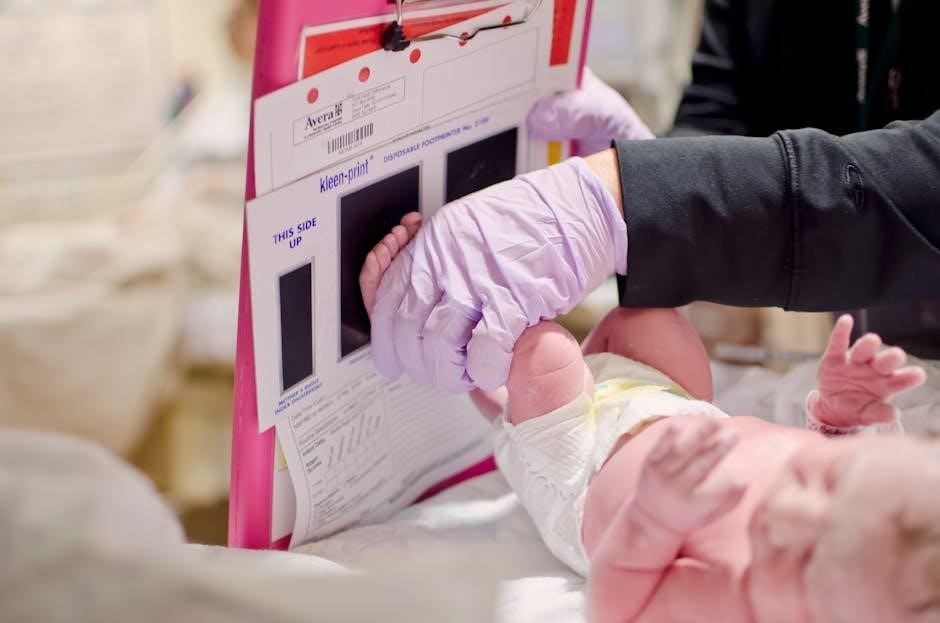
Burns Pediatric Primary Care 7th Edition PDF Free: Article Plan
This article details a comprehensive plan exploring the 7th edition, its features, access, and related technical aspects –
a vital resource for pediatric healthcare professionals.
Burns Pediatric Primary Care, 7th Edition, represents a cornerstone resource for pediatricians, family practitioners, and all healthcare providers dedicated to the well-being of children. This article delves into the significance of accessing this updated edition, particularly in readily available PDF format. The demand for a free PDF stems from the need for accessible, up-to-date clinical guidance in a rapidly evolving medical landscape.
We will explore the key features and updates incorporated into the 7th edition, highlighting its reorganized structure designed to reflect contemporary clinical practice. The inclusion of nine new chapters and revisions to existing units on health promotion, protection, and disease management are crucial advancements. Furthermore, we’ll address the legal and ethical considerations surrounding the acquisition of free PDFs of medical textbooks, emphasizing responsible sourcing.

Overview of Burns Pediatric Primary Care, 7th Edition
This edition offers a four-part structure, covering foundations, child development, health promotion, and disease management—a comprehensive guide for pediatric primary care.
Significance of the 7th Edition
The 7th edition of Burns Pediatric Primary Care represents a substantial advancement in the field, meticulously reorganized to align with modern clinical practices. This update isn’t merely incremental; it incorporates nine entirely new chapters, addressing emerging challenges and expanding the scope of pediatric healthcare. Crucially, existing units focusing on health promotion, protection, and disease management have undergone thorough revisions, reflecting the latest evidence-based guidelines and best practices.
This edition’s significance lies in its holistic approach, encompassing global pediatric health, detailed assessment techniques, and a nuanced understanding of cultural perspectives. It empowers practitioners with the knowledge and tools necessary to deliver optimal care in an increasingly diverse and complex healthcare landscape. The reorganization streamlines workflows, making critical information more accessible and facilitating efficient clinical decision-making. Ultimately, the 7th edition serves as an indispensable resource for anyone dedicated to providing high-quality pediatric primary care.

Key Features and Updates
This edition boasts a reorganized structure, nine new chapters, and revised health-focused units, offering comprehensive and current pediatric primary care guidance.
Reorganization for Contemporary Practice
The 7th edition of Burns Pediatric Primary Care underwent a significant reorganization to align with the evolving demands of modern clinical practice. This wasn’t merely an update; it was a strategic restructuring designed to enhance usability and relevance for today’s pediatric healthcare providers. The changes reflect a deeper understanding of how primary care is delivered in contemporary settings, prioritizing efficiency and accessibility of crucial information.
This involved a careful review of existing content and a thoughtful rearrangement of topics to create a more logical flow. The goal was to ensure that clinicians could quickly locate the information they need, when they need it, facilitating better patient care. This reorganization directly addresses the challenges faced by busy practitioners, streamlining workflows and improving decision-making processes.
Nine New Chapters
A hallmark of the 7th edition is the inclusion of nine entirely new chapters, significantly expanding the scope and depth of coverage within Burns Pediatric Primary Care. These additions aren’t simply incremental updates; they represent a commitment to addressing emerging issues and evolving best practices in pediatric healthcare. The new content reflects areas of growing importance, ensuring the resource remains at the forefront of the field.
These chapters delve into previously underrepresented topics, providing clinicians with the latest evidence-based guidance. This expansion demonstrates a proactive approach to meeting the changing needs of pediatric primary care, offering comprehensive support for a wider range of patient presentations and clinical scenarios. The addition of these chapters solidifies the 7th edition’s position as a definitive resource.
Revised Units: Health Promotion

The 7th edition of Burns Pediatric Primary Care doesn’t just add new content; it also meticulously revises existing units, particularly those focused on health promotion. These revisions aren’t superficial – they represent a thorough update incorporating the latest research and guidelines. The goal is to equip pediatric primary care providers with the most effective strategies for fostering positive health behaviors in children and families.
Updates within the health promotion units reflect a shift towards preventative care and a holistic approach to well-being. Expect to find enhanced guidance on topics like immunization schedules, anticipatory guidance for developmental milestones, and strategies for promoting healthy lifestyles. These revisions ensure clinicians are prepared to address the complex health needs of their young patients proactively.
Revised Units: Health Protection
Alongside health promotion, the 7th edition of Burns Pediatric Primary Care significantly revises its units dedicated to health protection. These updates acknowledge the evolving landscape of potential threats to pediatric health, from infectious diseases to environmental hazards and injury prevention. The revisions aim to provide clinicians with current, evidence-based strategies for safeguarding children’s well-being.
Expect to find updated protocols for managing infectious disease outbreaks, guidance on recognizing and mitigating environmental risks, and enhanced resources for injury prevention counseling. The revisions also address emerging concerns, ensuring practitioners are prepared to protect their patients from both traditional and novel health threats. This commitment to current information is crucial in pediatric care.
Revised Units: Disease Management
The 7th edition of Burns Pediatric Primary Care features extensively revised units focused on disease management, reflecting advancements in pediatric medicine and updated clinical guidelines. These revisions move beyond simply listing diagnoses, emphasizing a holistic approach to managing chronic and acute conditions in children.
Clinicians will find detailed guidance on implementing current treatment protocols, utilizing shared decision-making with families, and coordinating care across various specialties. The updates incorporate the latest research on pharmacological and non-pharmacological interventions, ensuring practitioners have access to the most effective strategies. Emphasis is placed on early detection, preventative measures, and minimizing long-term complications, ultimately improving patient outcomes.
Four-Part Organizational Structure
The text is logically divided into four parts: foundations, child development, health promotion/management, and comprehensive disease management strategies for optimal learning.
Part 1: Foundations of Pediatric Health
This initial section of Burns Pediatric Primary Care, 7th Edition establishes the core principles underpinning modern pediatric healthcare. It begins with a broad overview of global pediatric health, acknowledging the diverse challenges and opportunities present in different regions and healthcare systems. Crucially, it delves into the intricacies of child and family health assessment, emphasizing thorough and developmentally appropriate evaluation techniques.
A significant focus is placed on cultural perspectives in pediatric primary care, recognizing that effective healthcare delivery necessitates sensitivity and understanding of diverse cultural beliefs, practices, and values. This foundational understanding is paramount for building trust with families and providing culturally competent care. The aim is to equip practitioners with the knowledge and skills to navigate the complexities of pediatric health with a holistic and patient-centered approach, setting the stage for effective management of child development and disease.
Child and Family Health Assessment
A cornerstone of Burns Pediatric Primary Care, 7th Edition, this section meticulously details the art and science of assessing child and family well-being. It moves beyond simply diagnosing illness, advocating for a comprehensive evaluation encompassing physical, developmental, behavioral, and psychosocial domains. The text emphasizes age-appropriate communication techniques, recognizing the unique challenges of obtaining accurate information from children of varying developmental stages.
Particular attention is given to family-centered assessment, acknowledging the crucial role of parents and caregivers in providing insights into a child’s health status. This includes evaluating family dynamics, social support systems, and potential stressors that may impact a child’s health. The goal is to empower practitioners to conduct thorough, sensitive, and informative assessments that lay the groundwork for effective care planning and intervention.
Cultural Perspectives in Pediatric Primary Care
Burns Pediatric Primary Care, 7th Edition profoundly emphasizes the critical importance of cultural competency in delivering effective pediatric care. This section moves beyond acknowledging cultural differences to actively promoting culturally sensitive approaches to assessment, diagnosis, and treatment. It stresses that healthcare beliefs, practices, and communication styles vary significantly across cultures, and providers must be aware of these nuances to avoid misunderstandings and build trust.
The text explores how cultural factors can influence a family’s perception of illness, their willingness to seek care, and their adherence to treatment plans. It provides practical guidance on conducting culturally informed interviews, utilizing interpreters effectively, and adapting interventions to align with a family’s cultural values and beliefs. Ultimately, this section aims to equip practitioners to provide equitable and respectful care to all children, regardless of their cultural background.
Part 2: Managing Child Development
Burns Pediatric Primary Care, 7th Edition dedicates a substantial portion to the intricacies of managing child development, recognizing it as a cornerstone of pediatric primary care; This section provides a detailed, age-specific approach to monitoring developmental milestones, identifying potential delays, and implementing appropriate interventions. It covers physical, cognitive, social, and emotional development from infancy through adolescence;
The text emphasizes the importance of early detection and intervention, offering practical tools and strategies for screening and assessment. It also addresses common developmental concerns, such as behavioral problems, learning disabilities, and autism spectrum disorder. Furthermore, it highlights the role of the primary care physician in coordinating care with specialists and providing ongoing support to families navigating the challenges of child development.
Disease Management in the 7th Edition
The 7th edition offers focused disease areas, integrating current guidelines for effective pediatric care and improved patient outcomes – a crucial update.
Specific Disease Focus Areas
Burns Pediatric Primary Care, 7th Edition, significantly expands its coverage of specific disease areas crucial for pediatric primary care. This edition doesn’t just list conditions; it delves into practical management strategies, reflecting real-world clinical scenarios. Expect detailed guidance on common childhood illnesses like asthma, allergies, and infectious diseases, alongside more complex conditions requiring specialized attention.
Furthermore, the text provides updated protocols for managing chronic illnesses prevalent in pediatric populations, such as diabetes and obesity. A notable strength lies in its emphasis on evidence-based practice, ensuring recommendations align with the latest research and clinical guidelines. The 7th edition also addresses emerging health concerns, offering insights into newer pediatric diseases and their appropriate management approaches. This focused approach empowers practitioners to deliver optimal care tailored to each child’s unique needs.
Integration of Current Guidelines
Burns Pediatric Primary Care, 7th Edition, demonstrates a strong commitment to integrating the most current clinical practice guidelines. This isn’t merely a listing of recommendations; it’s a thoughtful incorporation of evidence-based protocols into practical, actionable advice for pediatric primary care providers. The text meticulously reflects updates from organizations like the American Academy of Pediatrics (AAP) and the Centers for Disease Control and Prevention (CDC).
This integration extends to immunization schedules, developmental screening tools, and management protocols for acute and chronic illnesses. The 7th edition ensures practitioners have access to the latest, most reliable information, facilitating informed decision-making and optimal patient outcomes. By consistently aligning with current guidelines, the resource promotes standardized, high-quality care across diverse pediatric settings.
Pediatric Nutrition in Clinical Care (Related Content)
Chapter 17, dedicated to nutrition, is a crucial component, linking directly to Burns Pediatric Primary Care for comprehensive patient management strategies.
Connection to Burns Pediatric Primary Care
The integration of robust nutritional guidance within Burns Pediatric Primary Care, 7th Edition, is paramount for holistic patient care. Recognizing that optimal growth, development, and recovery are fundamentally linked to adequate nutrition, the text dedicates significant attention to this critical area. This connection isn’t merely supplemental; it’s interwoven throughout disease management protocols and health promotion strategies.
Specifically, the nutritional considerations detailed within the 7th edition directly support the management of various pediatric conditions addressed in the broader text. Understanding the unique nutritional needs of children facing illness or developmental challenges is essential for effective treatment planning. The resource provides practical guidance for assessing nutritional status, formulating appropriate dietary interventions, and monitoring patient progress. This synergistic relationship between nutritional science and pediatric clinical practice is a hallmark of the updated edition.
Nutrition Chapter Details (Chapter 17)
Chapter 17, dedicated to nutrition (as referenced by Garzon Maaks in relation to Burns Pediatric Primary Care, 7th Edition), provides an in-depth exploration of pediatric nutritional needs across the lifespan. It covers essential topics like breastfeeding, formula feeding, introducing solid foods, and addressing common feeding challenges.
Furthermore, the chapter delves into the nutritional requirements for children with specific medical conditions, aligning directly with the disease management sections of the larger text. Expect detailed guidance on managing dietary restrictions, optimizing nutrient intake during illness, and supporting growth in children with chronic diseases. This chapter serves as a practical resource, equipping healthcare providers with the knowledge to deliver evidence-based nutritional counseling and support to their young patients and their families.

Accessing the PDF – Legality and Ethics
Exploring legal considerations and ethical sourcing of medical texts, particularly concerning free PDF access, is crucial for responsible practice.
Legal Considerations of Free PDFs
Downloading copyrighted material like Burns Pediatric Primary Care, 7th Edition as a free PDF without proper authorization presents significant legal risks. Copyright law protects the intellectual property of authors and publishers, granting them exclusive rights to distribute and reproduce their work. Unauthorized distribution constitutes copyright infringement, potentially leading to civil penalties, including substantial fines and legal fees.
Furthermore, websites offering free PDFs may harbor malware or viruses, compromising your device’s security and potentially exposing sensitive patient data. Accessing such content could also violate institutional policies regarding software and resource usage. Legitimate access typically requires purchasing the textbook directly from the publisher or through authorized retailers, or utilizing licensed library resources. Always prioritize legal and secure methods to obtain medical texts, safeguarding both your professional integrity and legal standing.
Ethical Sourcing of Medical Texts
The ethical implications of acquiring Burns Pediatric Primary Care, 7th Edition as a free PDF extend beyond legal concerns. Utilizing unauthorized copies undermines the efforts and financial investment of the authors, editors, and publishers who dedicate themselves to producing high-quality medical resources. Supporting legitimate channels ensures continued investment in research, updates, and the development of future editions crucial for advancing pediatric care.
As healthcare professionals, maintaining ethical standards is paramount. Relying on potentially inaccurate or outdated information from unverified sources compromises patient safety and professional responsibility. Prioritizing legally obtained texts demonstrates respect for intellectual property and a commitment to providing evidence-based, reliable care. Choosing ethical sourcing reflects a dedication to the integrity of the medical profession and responsible knowledge acquisition.

HTTP Cache Control Headers (Related Technical Information)
Understanding caching mechanisms—like max-age, public, and no-cache—improves website performance and user experience, impacting PDF accessibility.
Understanding Caching for Website Performance
Website caching is a crucial technique for enhancing speed and reducing server load. When a user requests a resource – like a webpage or a PDF document such as Burns Pediatric Primary Care, 7th Edition – the browser or intermediary servers can store a copy locally. Subsequent requests for the same resource can then be served from the cache, bypassing the need to fetch it from the original server each time.
This dramatically improves loading times, especially for returning visitors. Effective caching relies on HTTP Cache-Control headers, which dictate how long a resource can be cached and under what conditions. Properly configured caching not only benefits user experience but also lowers bandwidth costs and improves overall website scalability. A well-implemented caching strategy is essential for delivering content efficiently.
Cache-Control Headers: Max-Age, Public, Private, No-Cache
HTTP Cache-Control headers are directives that govern caching behavior. Max-Age specifies the duration, in seconds, for which a resource is considered fresh. Public indicates that the resource can be cached by any cache (browser, proxy servers, etc.), potentially improving delivery of resources like a Burns Pediatric Primary Care, 7th Edition PDF.
Conversely, Private restricts caching to the user’s browser alone. No-Cache doesn’t prevent caching entirely, but requires the cache to revalidate the resource with the origin server before using it. Understanding these directives is vital for optimizing website performance and controlling how content, including important medical texts, is delivered to users.

Future Trends in Pediatric Primary Care
Technology’s impact will reshape pediatric care, with physicians embracing evolving roles and digital tools for enhanced patient management and access.
Impact of Technology on Pediatric Care
The integration of technology is rapidly transforming pediatric primary care, offering innovative solutions for diagnosis, treatment, and patient engagement. Telemedicine, for instance, expands access to specialized care, particularly for families in remote areas or with limited mobility. Electronic health records (EHRs) streamline data management, improving care coordination and reducing medical errors.
Mobile health (mHealth) applications empower parents with tools for monitoring their child’s health, tracking vaccinations, and accessing educational resources. Artificial intelligence (AI) and machine learning are emerging as powerful tools for analyzing large datasets, identifying patterns, and predicting potential health risks. These advancements support earlier interventions and personalized treatment plans.
Furthermore, wearable sensors and remote monitoring devices enable continuous data collection, providing valuable insights into a child’s physiological status. This proactive approach to healthcare allows for timely adjustments to treatment regimens and preventative measures, ultimately enhancing patient outcomes and optimizing resource allocation within the pediatric healthcare system.
Evolving Role of Primary Care Physicians
The role of primary care physicians (PCPs) in pediatrics is evolving beyond traditional clinical duties, demanding a broader skillset and increased adaptability. PCPs are increasingly becoming care coordinators, navigating complex healthcare systems and ensuring seamless transitions between specialists. They must demonstrate proficiency in utilizing technology, interpreting data from various sources, and engaging patients in shared decision-making.
Emphasis is shifting towards preventative care and promoting wellness, requiring PCPs to address social determinants of health and advocate for policies that support child and family well-being. Strong communication skills and cultural sensitivity are paramount for building trust and fostering effective patient-physician relationships.
Continuing medical education and lifelong learning are crucial for staying abreast of advancements in pediatric medicine and adapting to the changing needs of the population. The PCP’s role is becoming more holistic, encompassing not only medical expertise but also advocacy, education, and community engagement.