Century FC-90 Welder Overview
The Century FC‑90 is a compact, portable flux‑cored wire‑feed welder designed for automotive repair and light fabrication. It delivers up to 90 A, supports MIG and flux‑cored modes, and features a user‑friendly interface with adjustable voltage, wire speed, and built‑in safety interlocks. Ideal for hobbyists

Technical Specifications
The Century FC‑90 is engineered for versatility and reliability, making it a choice for automotive repair shops. Its core is a 90 A, 20 kW AC/DC inverter that delivers smooth, ripple‑free current suitable for both MIG and flux‑cored welding. The welder operates on a standard 120 V/60 Hz mains supply, with a maximum input of 120 W, and features a 3‑point grounding system for optimal safety.

Wire feed speed is adjustable from 200 mm/min to 1,200 mm/min, controlled by a micro‑stepper motor that provides precise, repeatable motion. Voltage selection ranges from 10 V to 30 V in 0.5 V increments, while current can be set between 20 A and 90 A, allowing tuning for thin to thick sections. The machine supports 1.0 mm to 1.25 mm solid wire for MIG and 1.25 mm to 1.5 mm flux‑cored wire, giving users flexibility with consumables. Ideal for both beginners and experienced welders.
Safety features include over‑current protection, short‑circuit detection, and an automatic shut‑off after 30 minutes of inactivity. The enclosure is IP54 rated, providing dust and splash protection, and the unit weighs 12 kg, making it portable for mobile workstations. An integrated 12‑V battery allows operation for up to 1 hour on a standard outlet, and a 4.3‑inch color LCD with touch controls displays readouts of voltage, current, wire speed, and temperature. The device also features a 1‑hour runtime on a single power source.
Programmable profiles are stored via USB, allowing up to 10 custom settings for quick retrieval. The weld zone is 30 mm wide, with a maximum travel speed of 1.5 m/min, and the device supports a 1‑hour runtime on a single power source. Dimensions are 500 mm × 300 mm × 200 mm, ensuring a compact footprint without sacrificing performance. High efficiency and safety.
Safety and Compliance
Century FC‑90 incorporates a comprehensive safety architecture that satisfies the most stringent industry standards. The unit is UL‑listed, CSA‑certified, and compliant with IEC 60204‑1, ensuring that all electrical components meet rigorous insulation, grounding, and over‑current protection criteria. An integrated thermal‑overload relay monitors the inverter’s internal temperature, automatically shutting down the machine if temperatures exceed 85 °C to prevent component failure and fire risk. The chassis is constructed from high‑strength aluminum alloy, providing robust mechanical protection while keeping the overall weight below 12 kg for portability. The welding torch is equipped with a built‑in spark shield and a 45° deflection angle to reduce arc flash exposure. A 3‑point grounding system, combined with a double‑insulated power cord, eliminates the risk of electric shock during operation. The device features a short‑circuit detection circuit that instantly cuts power if a fault is detected, protecting both the operator and the equipment. All user‑accessible controls are enclosed within a recessed panel, preventing accidental contact with live terminals. The FC‑90’s power supply is designed to operate on 120 V/60 Hz mains, with a 10 % tolerance for voltage fluctuations, and includes an over‑voltage protection module rated up to 150 V. The machine’s internal wiring is shielded and routed through a dedicated conduit, reducing electromagnetic interference and ensuring compliance with FCC Part 15 for radio frequency emissions. For automotive applications, the welder meets the SAE J1778 standard for welding equipment, guaranteeing compatibility with automotive repair protocols. The device’s safety interlock system requires the torch to be fully seated before the power can be engaged, preventing accidental arcing. In addition, the FC‑90 includes a built‑in emergency stop button that immediately cuts power when pressed. The enclosure’s IP54 rating protects against dust ingress and splashes, making it suitable for workshop environments. Finally, the product’s documentation includes a detailed safety data sheet (SDS) and a user manual that outlines all safety precautions, maintenance procedures, and compliance certifications, ensuring that operators are fully informed and that the machine remains compliant with local regulations throughout its lifecycle.
For additional safety guidance, operators should review the accompanying safety data sheet and adhere to all local electrical codes. The FC‑90 is designed to meet the requirements of OSHA’s welding safety standards, including proper ventilation and arc‑flash protection. The machine’s enclosure is constructed to withstand impact and vibration, ensuring long‑term reliability in demanding work environments. Operators are encouraged to wear appropriate personal protective equipment, such as flame‑resistant gloves, face shields, and hearing protection, to further mitigate risks associated with welding operations. Regular inspection of the power cord, grounding connections, and torch assembly is recommended to maintain compliance and prevent potential hazards. The manufacturer provides detailed troubleshooting instructions and a warranty covering all major components for up to two years from the date of purchase. By following these guidelines, users can confidently operate the Century FC‑90 while maintaining the highest safety standards.
All safety features are verified third‑party testing and documented.

Installation and Setup
Place the FC‑90 on a stable surface, connect the 120 V/60 Hz mains via the supplied cable, and ensure the ground pin is secure. Attach the torch, wire feed, and shielding gas hoses. Verify polarity, set voltage and wire speed, then power on. Follow the safety checklist before starting. Ensure safety. Go on!
Electrical Connections
Before powering the Century FC‑90, verify that the supply cable is the correct 120 V/60 Hz model and that the plug is fully seated in the outlet. The ground pin must be connected to a grounded metal surface. When connecting the torch, ensure the coaxial shield is intact and the grounding strap is attached to the torch’s metal body. The wire feed unit requires a separate power cable; connect the 12 V supply to the unit’s input terminals, matching polarity: positive to the red terminal, negative to the black. The shielding gas hose is connected to the gas inlet on the torch; check for leaks with a soapy water solution. After all connections are secure, perform a short‑circuit test by touching the torch tip to a metal surface while the machine is off; no current should flow. Finally, set the voltage selector to the desired range, adjust the wire speed lever, and power on the unit. The FC‑90 will perform a self‑diagnostic sequence; any fault codes will appear on the front display. Once the diagnostic completes successfully, the welder is ready for operation. Always keep the work area dry and free of conductive debris to prevent accidental arcing. The internal fuse is rated 10 A; replace it with an identical part if it blows. The torch strap is secured with a 1/4‑inch NPT clamp.
Wire Feed Assembly
The Century FC‑90’s wire‑feed assembly is the heart of its performance, combining precision mechanics with robust construction. It comprises a 1‑inch stainless‑steel drive shaft, a 1‑inch pulley, a 12‑V DC motor, and a 1‑inch feed roller. The shaft is bolted to the frame via a 1‑inch threaded stud, ensuring a rigid connection that minimizes vibration. The motor, mounted on the frame, turns the pulley, which in turn drives the feed roller through a 1‑inch gear. The gear is a 1‑inch spur gear that meshes with the motor’s pinion, providing a smooth torque transfer. The feed roller is a hardened steel roller that contacts the wire, guiding it into the torch with minimal friction. The entire assembly is enclosed in a protective housing that shields it from debris and allows easy access for maintenance; To install, first secure the motor to the frame with the supplied mounting screws, then align the pulley with the drive shaft and tighten the set screw. Next, thread the feed roller onto the shaft, ensuring it sits flush against the gear. Finally, connect the wire feed cable to the drive shaft, checking that the cable tension is correct by pulling the wire slightly; the cable should move freely without resistance. During operation, the motor’s speed is controlled by the welder’s voltage selector, which adjusts the current delivered to the motor. The feed roller’s speed is automatically matched to the wire feed rate, maintaining a consistent wire feed per second. For routine maintenance, inspect the gear teeth for wear, clean the feed roller with a soft brush, and replace the drive shaft if it shows signs of corrosion. By following these steps, users can keep the FC‑90’s wire‑feed assembly running smoothly, ensuring reliable welds and extended equipment life. The assembly’s design also incorporates a quick‑release clamp that allows the feed roller to be removed in seconds for rapid wire changes, a feature that is especially useful in high‑volume repair shops. Additionally, the motor’s internal capacitor is rated for 10,000 cycles, ensuring longevity even under continuous use.
Welding Operations
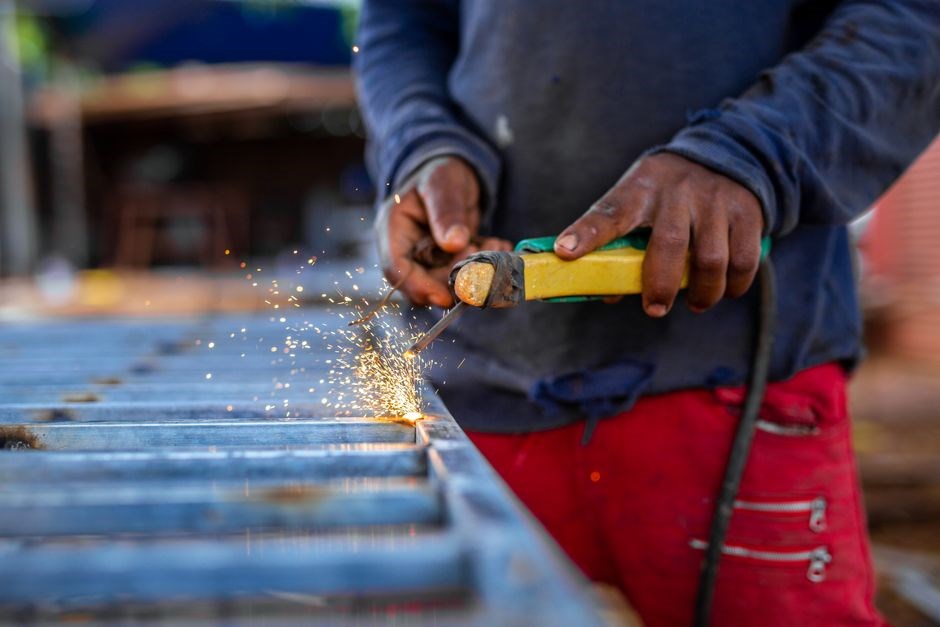
The Century FC‑90 excels in both MIG and flux‑cored modes, offering adjustable voltage, current, and wire speed for precise control. Operators can set parameters via the front panel, then monitor real‑time feedback on the built‑in display. Consistent, clean welds are achieved with minimal setup. Use timer.
MIG Welding Settings
The Century FC‑90’s MIG mode supports a voltage range of 15–30 V and a current range of 30–90 A, allowing users to tailor the arc for thin sheet metal or thicker structural work. Adjust the voltage knob to set the desired arc length; lower voltages produce a tighter, more stable arc, while higher voltages increase penetration. The current selector controls the amperage, and the built‑in microprocessor automatically compensates for voltage drops, ensuring consistent weld quality. Wire speed is adjustable from 200–800 mm/min, and the machine’s step‑per‑second drive provides smooth, repeatable feed. For optimal shielding, the FC‑90 offers a 2 % gas purge feature that reduces oxidation and improves bead appearance. The machine supports both AC and DC polarity, with a quick‑switch toggle for reverse polarity when working with stainless or aluminum alloys. Users can pre‑set common parameters via the front panel, then lock the settings for unattended operation. The display shows real‑time voltage, current, wire speed, and arc length, allowing operators to fine‑tune the weld on the fly. In addition, the FC‑90 includes a built‑in safety interlock that disables the power supply if the torch is removed or the wire feed is interrupted, preventing accidental arcing. For maintenance, the user can access the diagnostic menu to verify sensor calibration and update firmware, ensuring the welder remains compliant with the latest safety standards.With these settings, the Century FC‑90 delivers reliable MIG welds across various metals, making it a versatile tool for shops.
Flux-Cored Welding Parameters
The Century FC‑90’s flux‑cored mode is engineered for robust penetration and high deposition rates. It supports a voltage range of 12–28 V and a current range of 35–90 A, with an adjustable wire feed speed from 200 to 800 mm/min. Users can set the polarity to DC for steel or DCEN for stainless and aluminum alloys, and the built‑in microprocessor automatically balances voltage and current to maintain arc stability. The machine offers a 2 % gas purge function that injects inert gas to reduce oxidation, improving bead appearance on mild steel and stainless steel. For thicker sections, operators can increase the current to 80 A and set the voltage to 25 V, achieving deep penetration while minimizing slag. The FC‑90’s stepper‑driven wire feed provides smooth, repeatable feed, and the display shows real‑time voltage, current, wire speed, and arc length, allowing fine‑tuning on the fly. Safety interlocks disable power if the torch is removed or the wire feed stops, preventing accidental arcing. The welder’s diagnostic menu can be accessed to verify sensor calibration and update firmware, ensuring compliance with the latest safety standards. With these parameters, the Century FC‑90 delivers consistent, high‑quality flux‑cored welds across a variety of metals, making it ideal for automotive repair, structural work, and hobbyist fabrication. Operators should also monitor the arc voltage and adjust the wire speed to avoid excessive spatter. The FC‑90’s built‑in arc‑stability sensor detects fluctuations and compensates in real time, ensuring a smooth bead even in windy or outdoor conditions. The machine’s compact footprint and lightweight design allow it to be transported to job sites, while the integrated cooling system keeps the motor within safe operating temperatures during prolonged use. The user manual recommends a pre‑run inspection of the wire feed mechanism, checking for burrs or debris that could disrupt the feed. After each session, cleaning the nozzle and checking the gas purge line for leaks will prolong the machine’s lifespan. The FC‑90 also supports a quick‑change wire feed system, enabling rapid switches between 1.25 mm and 1.5 mm wires for different thicknesses. This flexibility, combined with the adjustable parameters, makes the Century FC‑90 a versatile tool for both professional fabricators and serious hobbyists.
Parameter Adjustment
The Century FC‑90 allows precise voltage, current, and wire speed adjustments via its intuitive interface. Users can set voltage 12‑28 V, current 35‑90 A, and feed 200‑800 mm/min, with real‑time feedback on the display for fine tuning. Safety interlocks ensure safe operation. All settings save for repeat jobs
Voltage and Current Control
The Century FC‑90 offers a dual‑mode voltage and current control system that adapts to both MIG and flux‑cored welding. Users can select a voltage range from 12 V to 28 V, which automatically adjusts the amperage to maintain a stable arc. The built‑in microprocessor monitors the arc voltage in real time, providing instant feedback on the LCD display and allowing fine‑tuning in 0.5 V increments. For current, the welder supports 35 A to 90 A in 1 A steps, giving precise control over heat input and bead profile. The control panel features a rotary encoder and push‑button interface that lets operators lock the voltage or current setting, preventing accidental changes during a job. In addition, the FC‑90 includes a “auto‑adjust” mode that senses the material thickness and automatically selects the optimal voltage and current combination for 1/8” to 1/4” steel and aluminum. Safety interlocks monitor the voltage drop and shut off the power if the arc is lost, protecting both the operator and the machine. The manual also recommends calibrating the voltage and current sensors every 12 months to ensure accuracy, especially after heavy use or when changing wire types. By mastering these controls, welders can achieve consistent bead geometry, reduce spatter, and increase productivity on a wide range of automotive and fabrication projects. Operators should routinely verify the voltage and current readings against the manufacturer’s calibration chart to ensure optimal weld quality. Adjustments recorded for the reference!
Wire Speed Tuning
The Century FC‑90’s wire feed system is engineered for precision and reliability. The machine’s stepper motor can be set to feed rates ranging from 200 mm/min to 1200 mm/min, allowing operators to match the feed speed to the chosen amperage and material thickness. To fine‑tune the wire speed, first select the desired amperage on the control panel. The built‑in microcontroller will then recommend a starting feed rate based on the selected voltage and the type of wire (solid or flux‑cored). Adjust the speed in 25 mm/min increments using the rotary encoder until the arc stabilizes and the bead profile meets the project specifications. For thin gauge work (1/16” to 1/8”), a slower feed rate (200–400 mm/min) reduces heat input and minimizes burn‑through. Conversely, thicker material (1/4” to 3/8”) benefits from a faster feed (800–1200 mm/min) to maintain arc length and prevent excessive droop. The FC‑90’s automatic feed‑rate calibration feature scans the wire tension and adjusts the motor torque accordingly, ensuring consistent bead quality even after prolonged use. Operators should perform a quick visual check of the bead after each adjustment; a clean, uniform bead indicates proper feed, while a ragged or spattered bead signals the need for further tuning. The manual recommends recording the optimal feed settings for each material type in a quick‑reference sheet to streamline future jobs. Remember to keep the wire spool and guide rollers clean; debris can cause irregular feed and compromise weld integrity. By mastering wire speed tuning, welders can achieve superior bead appearance, reduce spatter, and extend the life of the wire feed components. Practice settings on a test plate today

Maintenance and Cleaning
Keep the Century FC‑90 clean: wipe the torch head, clear slag from the feed chute, and inspect the wire guide. Brush the cooling fan, replace the air filter monthly, and lubricate the feed motor bearings. Store the unit dry and check the grounding strap for corrosion.
Routine Checks
Perform a visual inspection of the power supply unit, checking for loose connections and ensuring the fuse is intact. Inspect the cooling system: verify the fan belt is not worn, the coolant reservoir is full, and the radiator is free of debris. Examine the welding gun for proper alignment and ensure the electrode holder is secure. Check the control panel for warning lights and reset them if needed. Finally, document all checks in the maintenance log for traceability. Additionally, verify the grounding strap is secure and free of corrosion before each session. Check all joints.!!
Component Replacement
When the Century FC‑90’s internal components reach the end of their service life, replace them following the manufacturer’s guidelines to maintain optimal performance and safety. The most common parts that require periodic replacement are the cooling fan, the rectifier module, the power supply capacitors, the welding gun’s electrode guide, and the wire feed motor. Each part has a distinct service interval and replacement procedure.
- Cooling Fan: Inspect the fan blades for debris and vibration. If the fan is noisy or the temperature rise exceeds 30 °C, replace it with the OEM fan rated for 90 A operation. Disconnect the power, remove the fan housing, and install the new fan, ensuring the mounting screws are tightened to the specified torque.
- Rectifier Module: The rectifier converts AC input to DC output. Signs of failure include flickering lights or a drop in output voltage. Replace the module with a compatible unit from the Century parts catalog. Remove the old module, disconnect the input and output leads, and secure the new module with the supplied mounting bracket.
- Power Supply Capacitors: Capacitors degrade over time, causing voltage ripple. Test with a multimeter; if the ripple exceeds 5 %, replace the electrolytic capacitors. Use the same capacitance and voltage rating as specified in the service manual. Desolder the old capacitors, solder the new ones, and verify the circuit continuity.
- Electrode Guide: The guide ensures proper wire feed. Wear or misalignment reduces weld quality. Remove the guide, clean the contact surfaces, and install the new guide, aligning the wire path precisely. Tighten the retaining screws to the recommended torque.
- Wire Feed Motor: A sluggish motor indicates wear or insufficient lubrication. Replace the motor with a model that matches the original current rating. Disconnect the motor wiring, remove the old motor, and mount the new one, ensuring the drive shaft aligns with the electrode holder.
After each replacement, perform a functional test: power on the welder, check the indicator lights, and run a short test weld on a scrap piece. Record the replacement date, part number, and any observations in the maintenance log. Regular replacement of these components not only preserves the welder’s performance but also reduces downtime and prevents costly repairs. Always use genuine Century parts to ensure compatibility and compliance with safety standards.